The Jobs Museum
The Past and Future of Work
We explore how professions emerge, evolve, and disappear to help people understand the future of work. The Jobs Museum is a digital archive of past jobs and future roles.

Lamp Lighter
Victorian Era
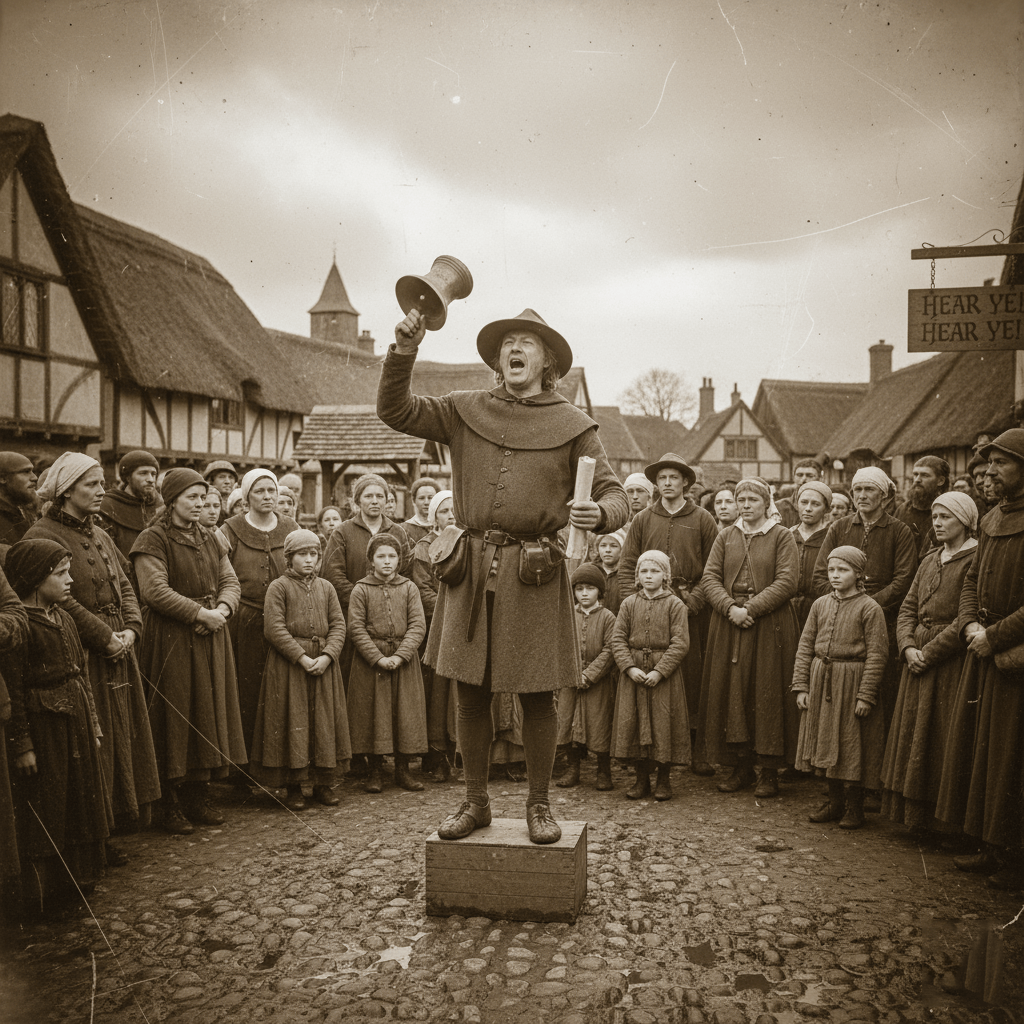
Town Crier
Medieval Period

Pony Express Rider
Mid 19th Century
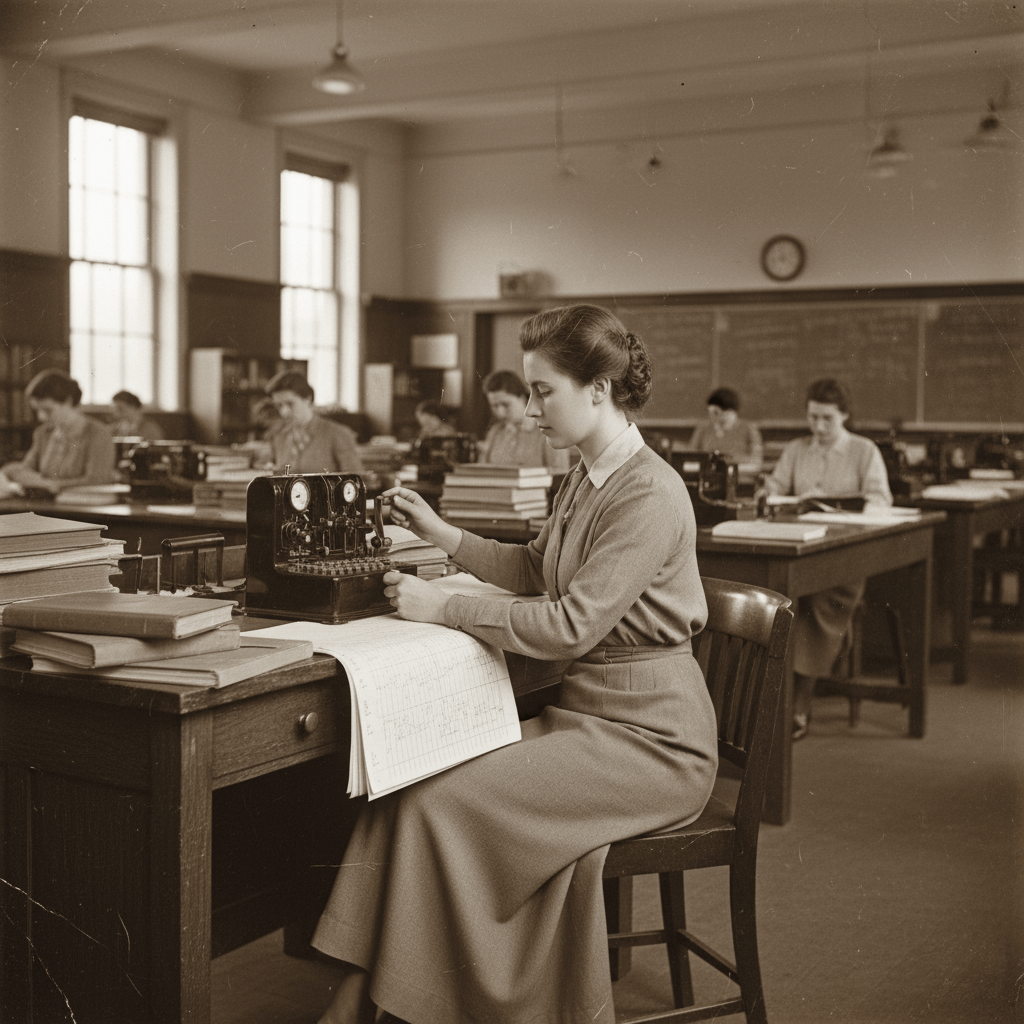
Human Computer
20th Century
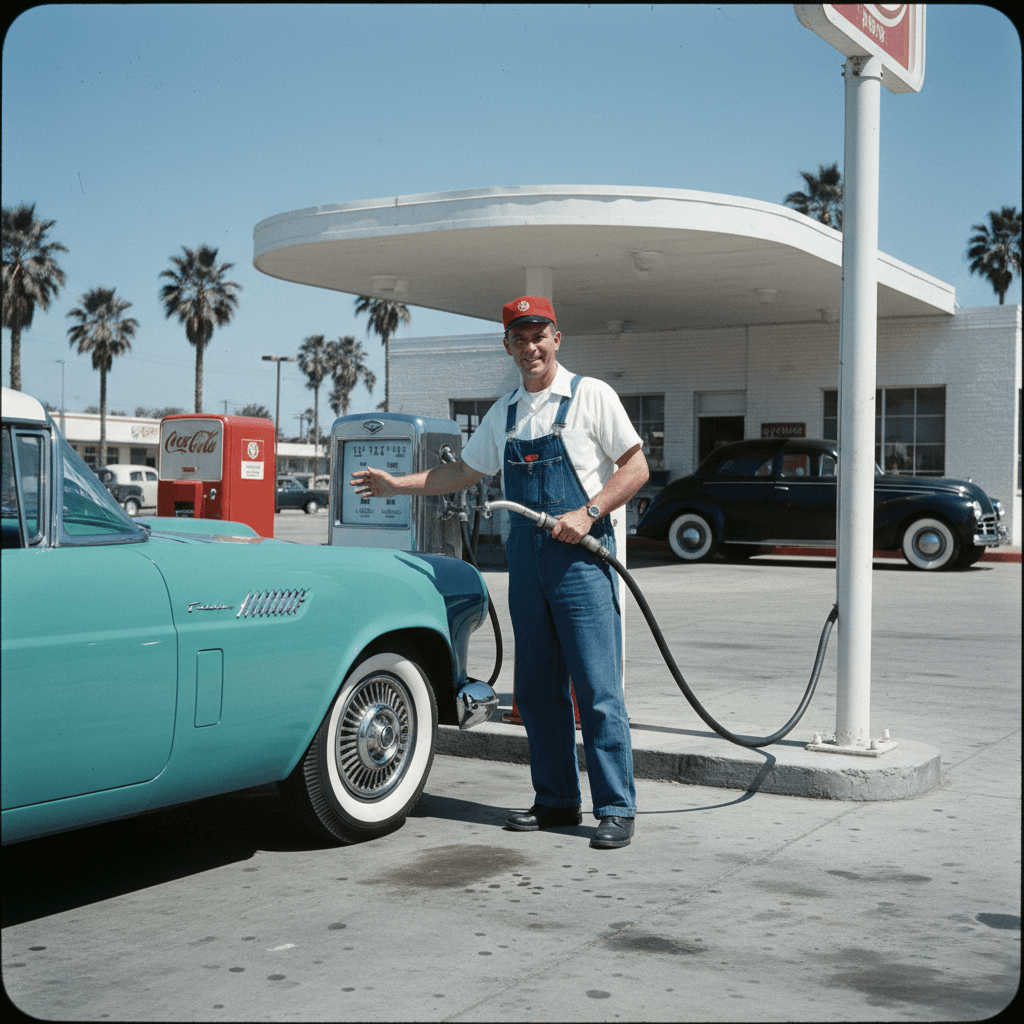
Gas Station Attendant
Post-War Era
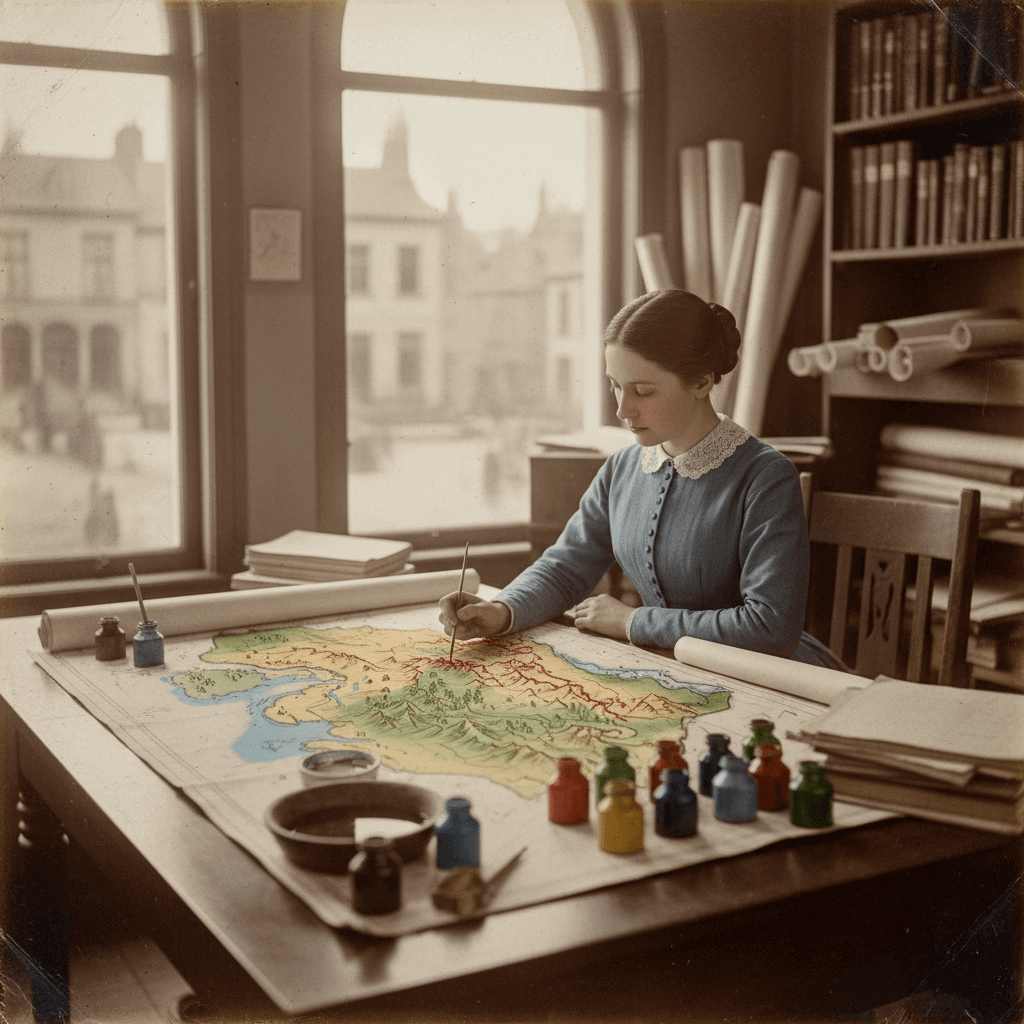
Map Colourist
Victorian Era

Typist Pool Worker
Post-War Era
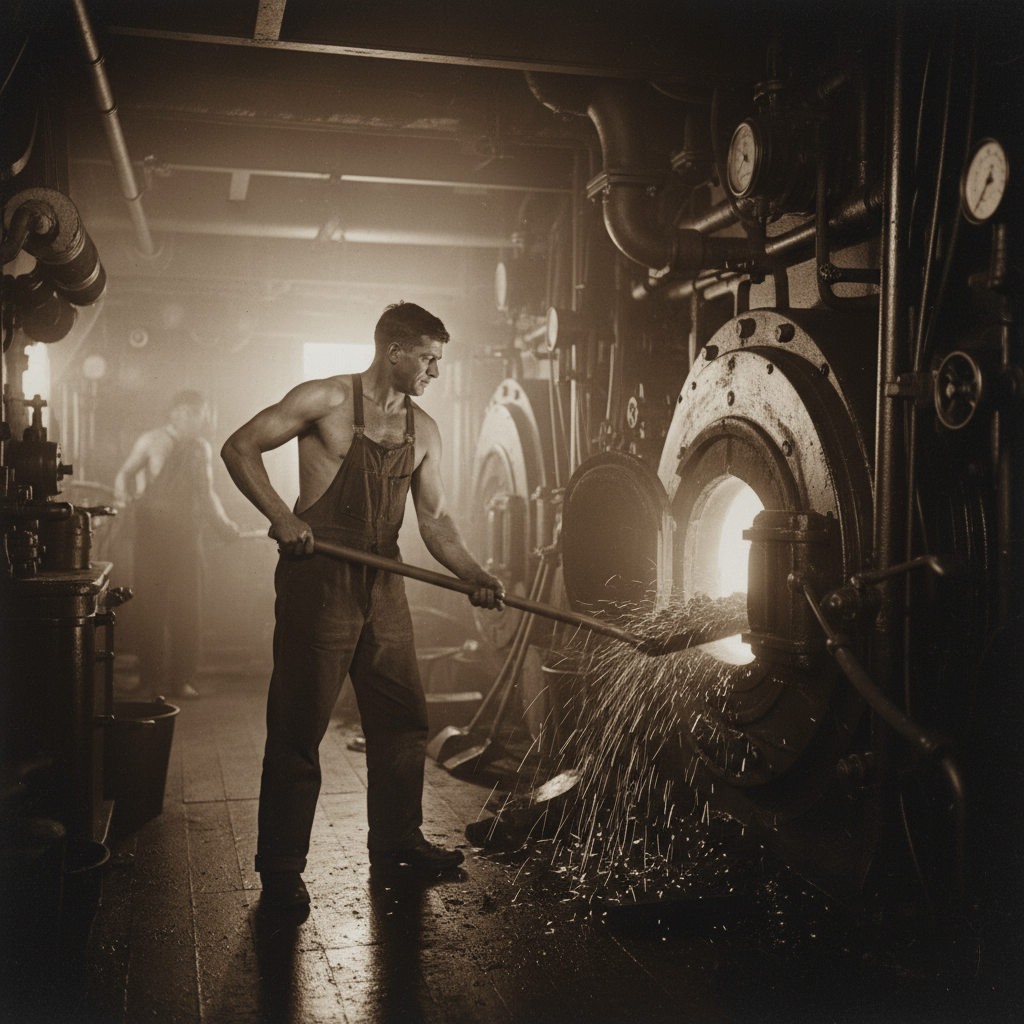
Coal Stoker
Industrial Revolution
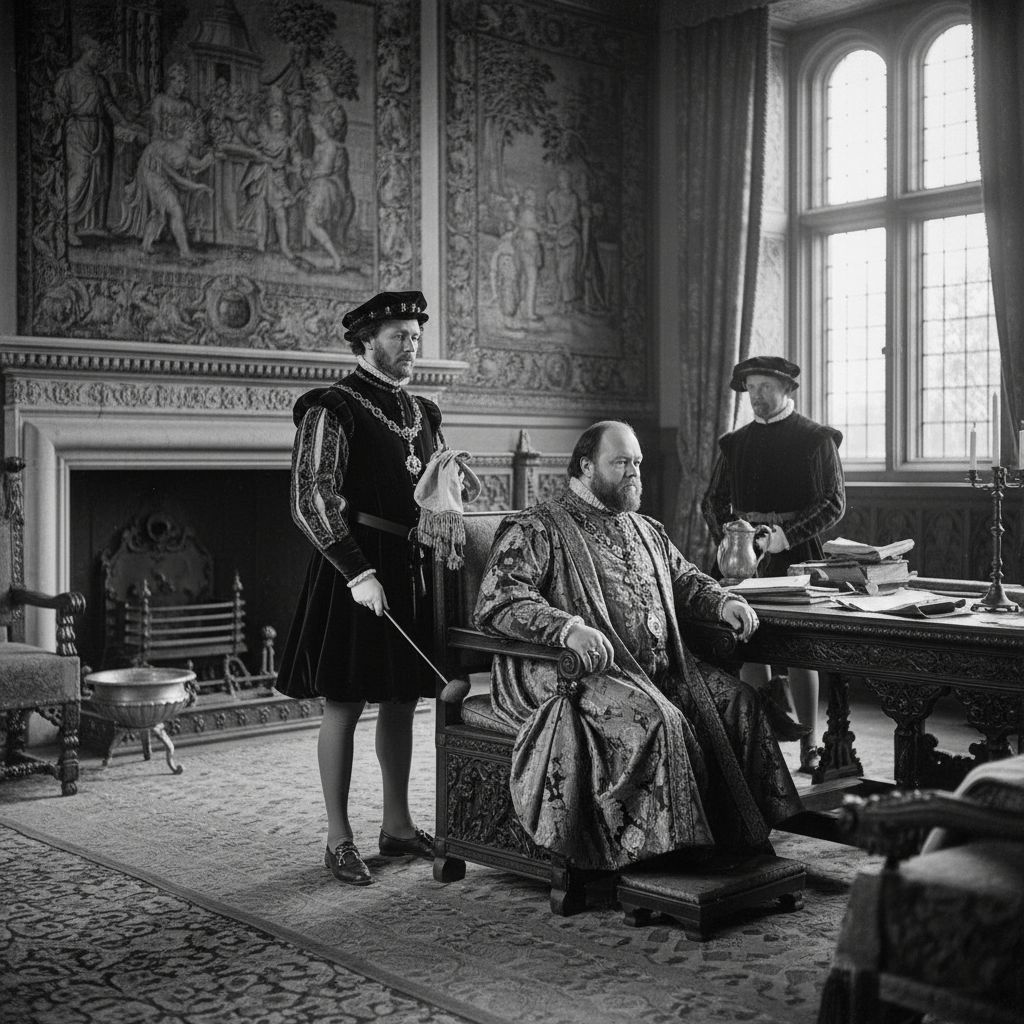
Groom of the Stool
Tudor Period
Lamp Lighter
Victorian Era
Town Crier
Medieval Period
Pony Express Rider
Mid 19th Century
Human Computer
20th Century
Gas Station Attendant
Post-War Era
Map Colourist
Victorian Era
Typist Pool Worker
Post-War Era
Coal Stoker
Industrial Revolution
Groom of the Stool
Tudor Period
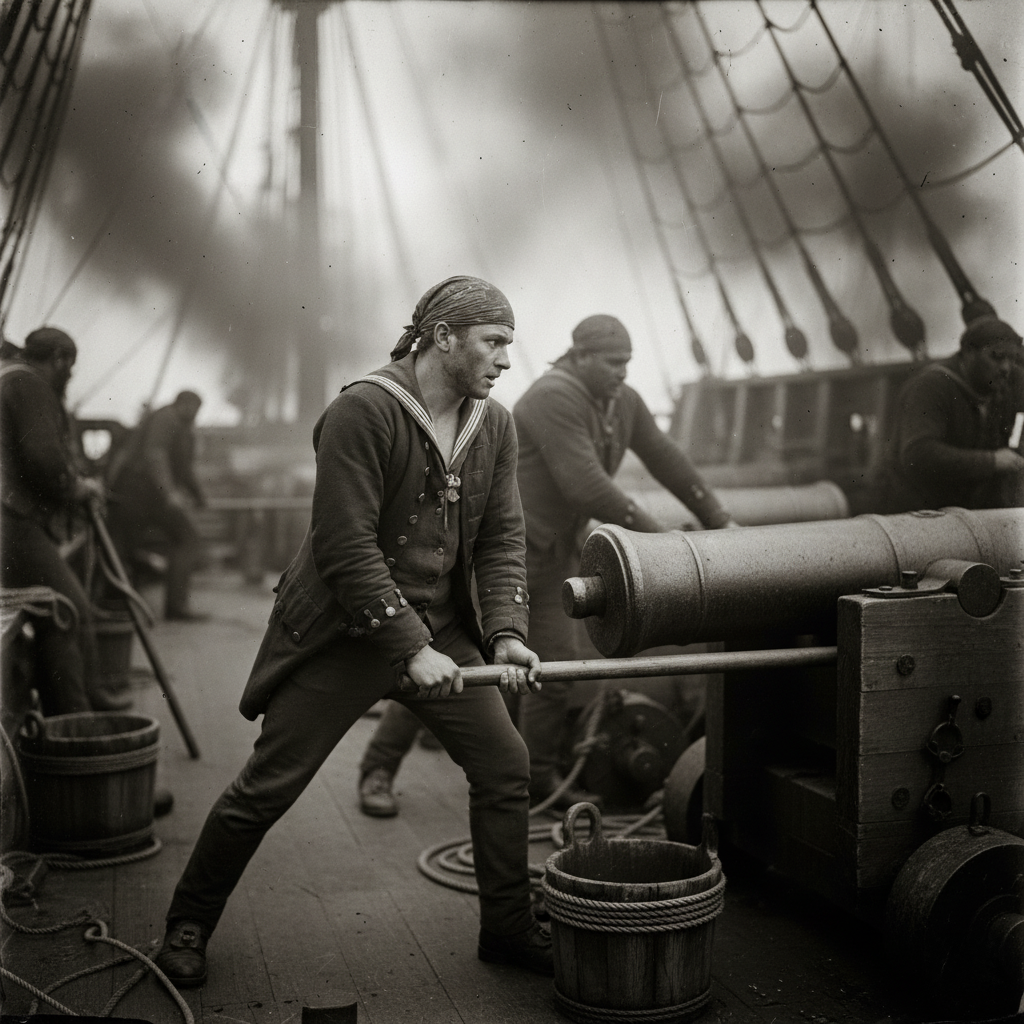
Powder Monkey
Age of Exploration
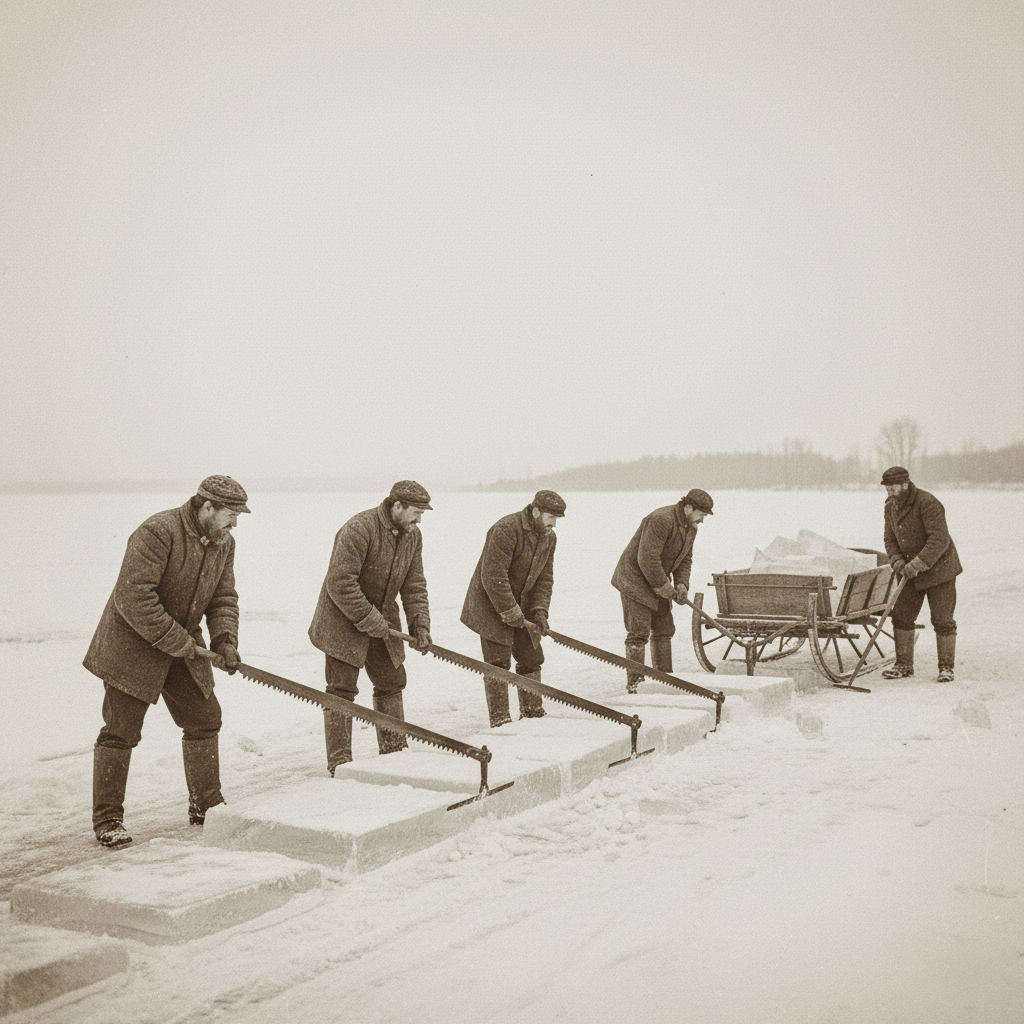
Ice Cutter
19th Century
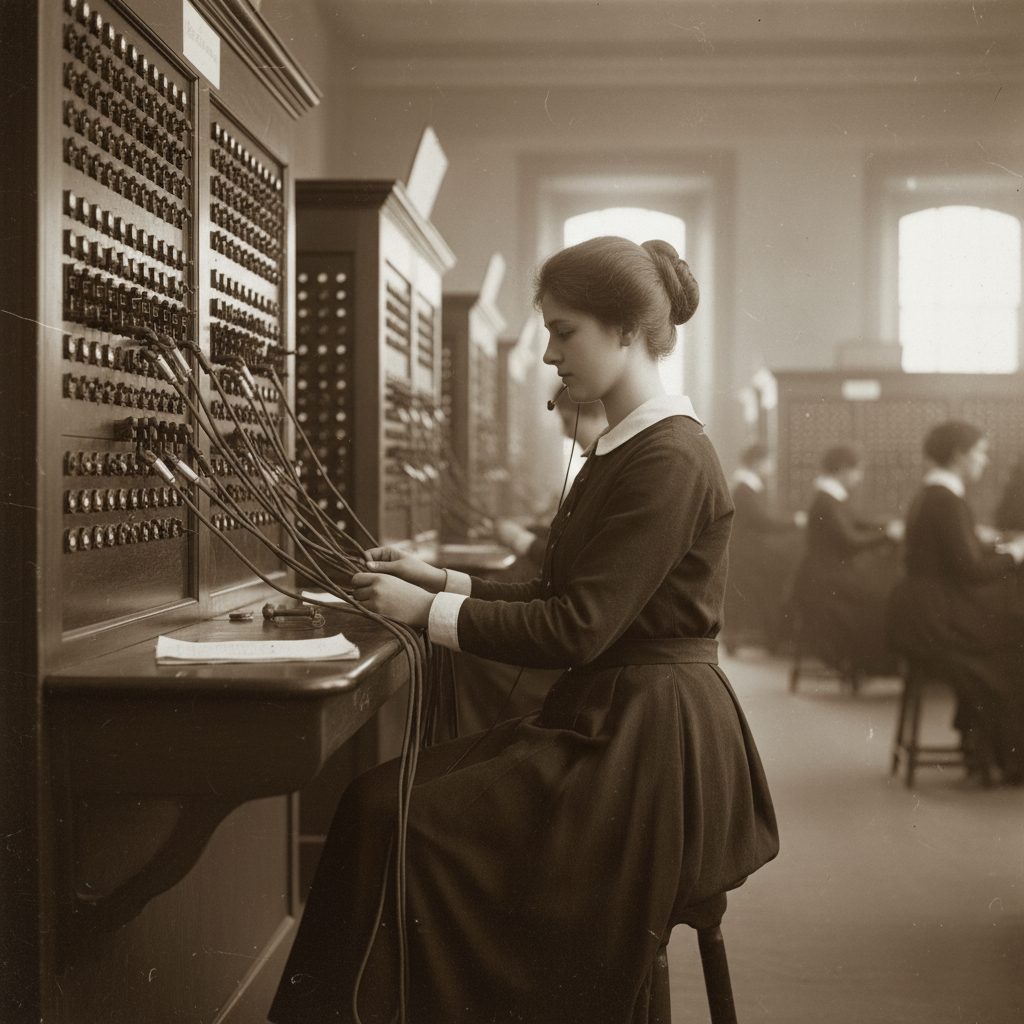
Switchboard Operator
Industrial Revolution
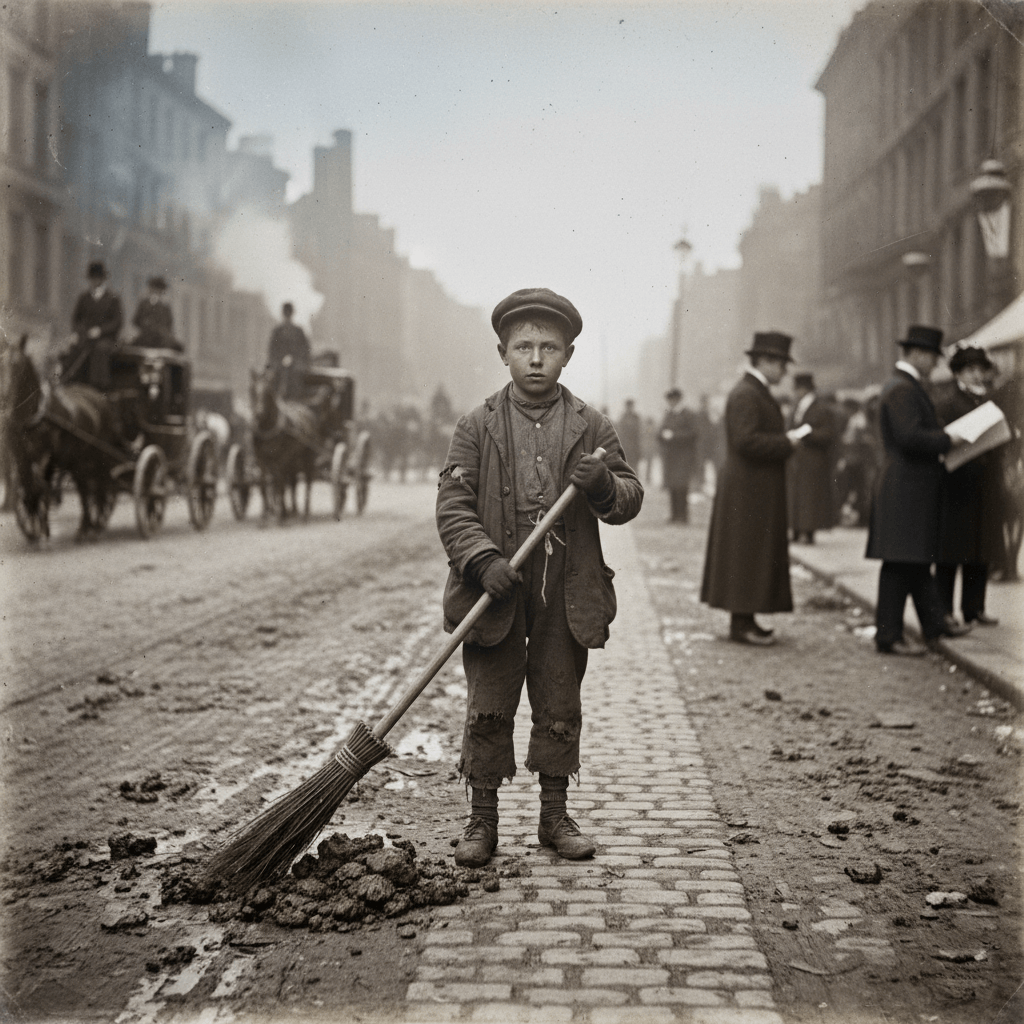
Crossing Sweeper
Victorian Era

Piss-Prophet
Medieval Period

Resurrectionist
Victorian Era
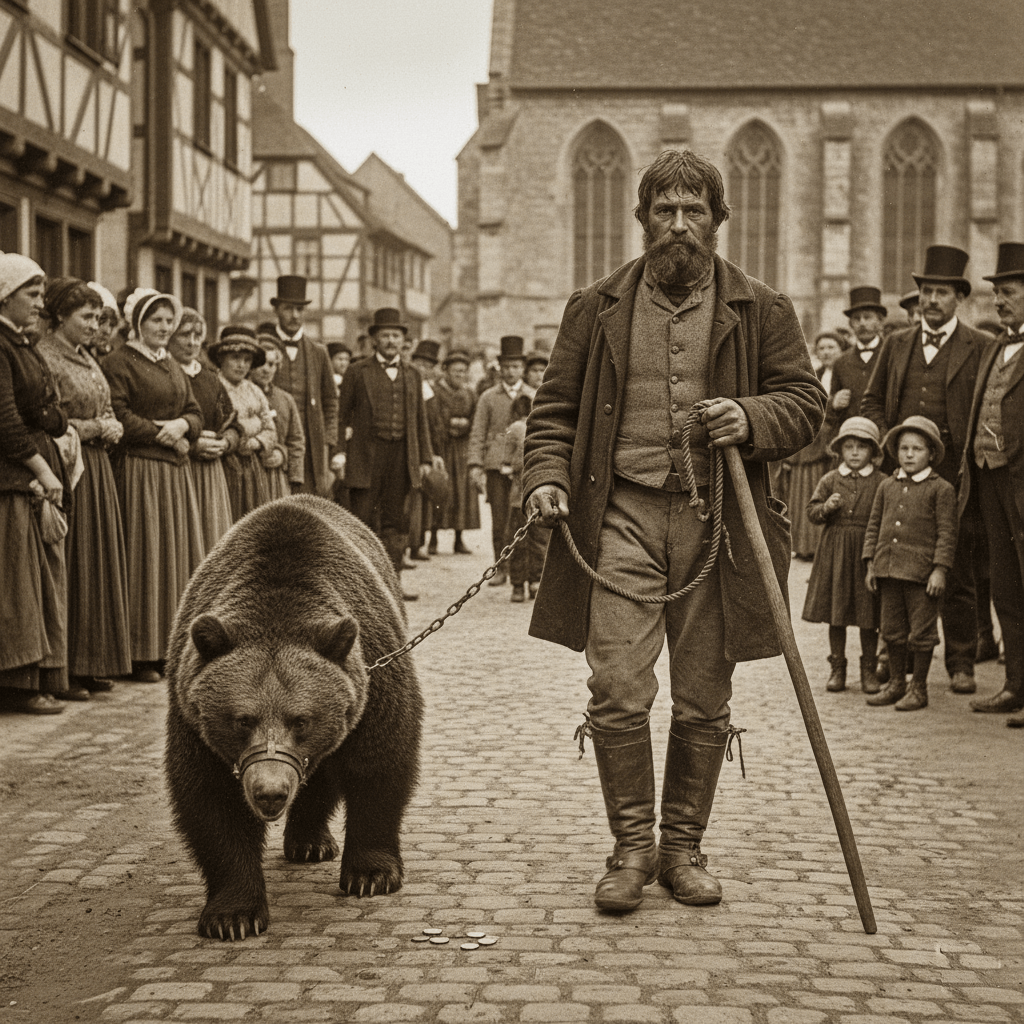
Bear-Leader
Victorian Era

Plague Doctor
Medieval Period
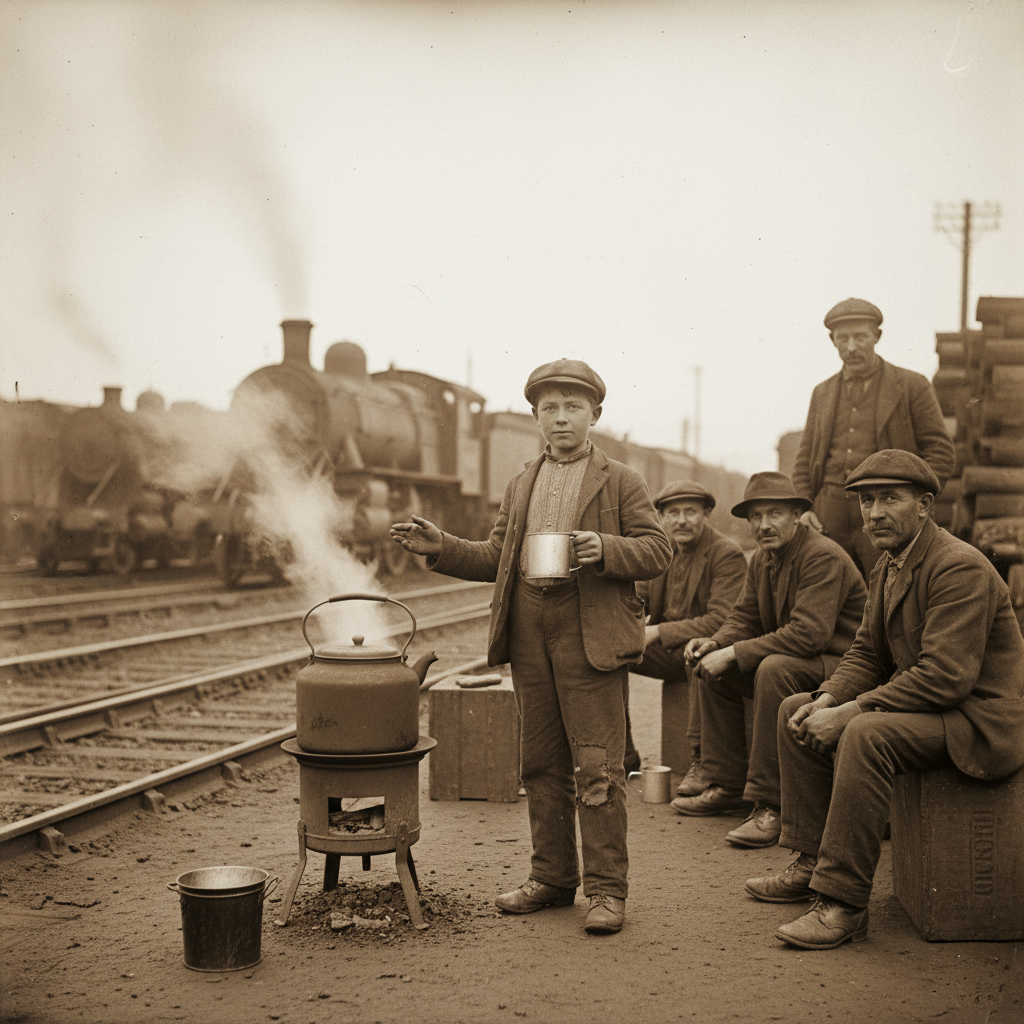
Billy Boy
Victorian Era
Powder Monkey
Age of Exploration
Ice Cutter
19th Century
Switchboard Operator
Industrial Revolution
Crossing Sweeper
Victorian Era
Piss-Prophet
Medieval Period
Resurrectionist
Victorian Era
Bear-Leader
Victorian Era
Plague Doctor
Medieval Period
Billy Boy
Victorian Era
Past Exhibits
Professions of Yesterday
These roles shaped the world we know today. They represent human ingenuity, adaptability, and the dignity of work across generations. Their skills live on in new forms.
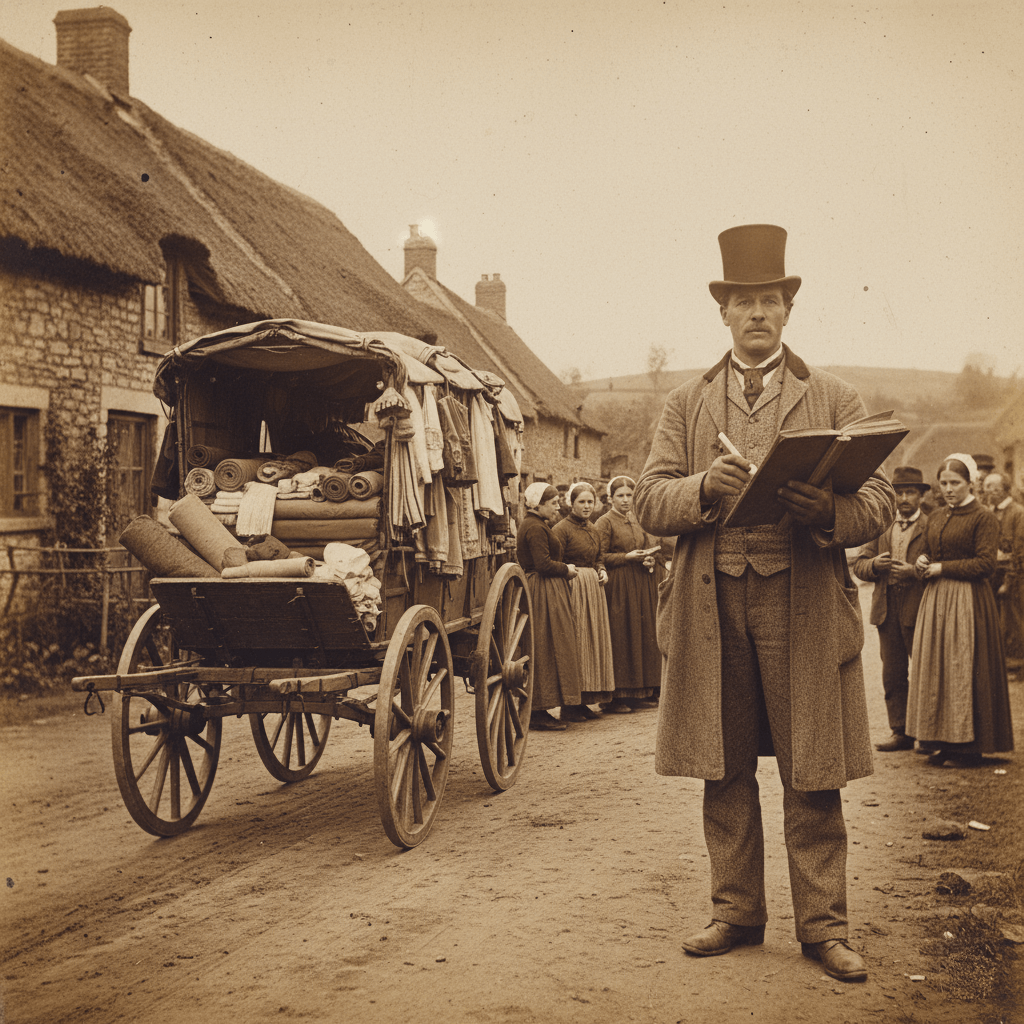
Tallyman
The Tallyman was a crucial figure in the Victorian Era, primarily serving as a collector of debts and a record keeper for local businesses and tradesmen. Often seen as a bridge between the merchant and the consumer, the Tallyman would visit homes and businesses to collect payments for goods purchased on credit. This role was particularly significant in an era when many families relied on credit to manage their household expenses, especially in the burgeoning urban centers of England. The Tallyman would carry a tally stick, a wooden stick marked with notches to record transactions, and a ledger to keep detailed accounts of debts owed and payments made. The Tallyman’s work was not merely transactional; it involved building relationships with customers, understanding their financial situations, and sometimes negotiating payment plans. This role required a keen sense of empathy and social awareness, as many customers were struggling to make ends meet. The Tallyman was often seen as a community figure, known by name and trusted to handle sensitive financial matters with discretion. As the Victorian Era progressed, the role of the Tallyman began to change. The introduction of more formal banking systems and the rise of credit institutions started to diminish the need for personal debt collectors. The advent of modern accounting practices and the use of printed invoices further contributed to the decline of this occupation, as transactions became more standardized and less reliant on personal relationships. By the early 20th century, the Tallyman had largely disappeared from the economic landscape, replaced by more formalized financial systems.

Armourer
The role of the armourer was pivotal in the medieval period, a time when warfare and personal protection were paramount. Armourers were skilled craftsmen responsible for creating, repairing, and maintaining the protective gear worn by soldiers and knights. Their work encompassed a variety of tasks, including forging metal plates, shaping chainmail, and crafting helmets, shields, and other defensive equipment. The craftsmanship of an armourer was not only functional but also often artistic, with intricate designs and embellishments that reflected the status and wealth of the wearer. The armourer’s workshop was a hub of activity, filled with the sounds of hammering metal, the glow of the forge, and the smell of heated iron. Each piece of armour was custom-fitted to the individual, ensuring both protection and mobility in battle. As warfare evolved, so too did the demands on armourers, who had to adapt their techniques and designs to meet the changing needs of their clients.
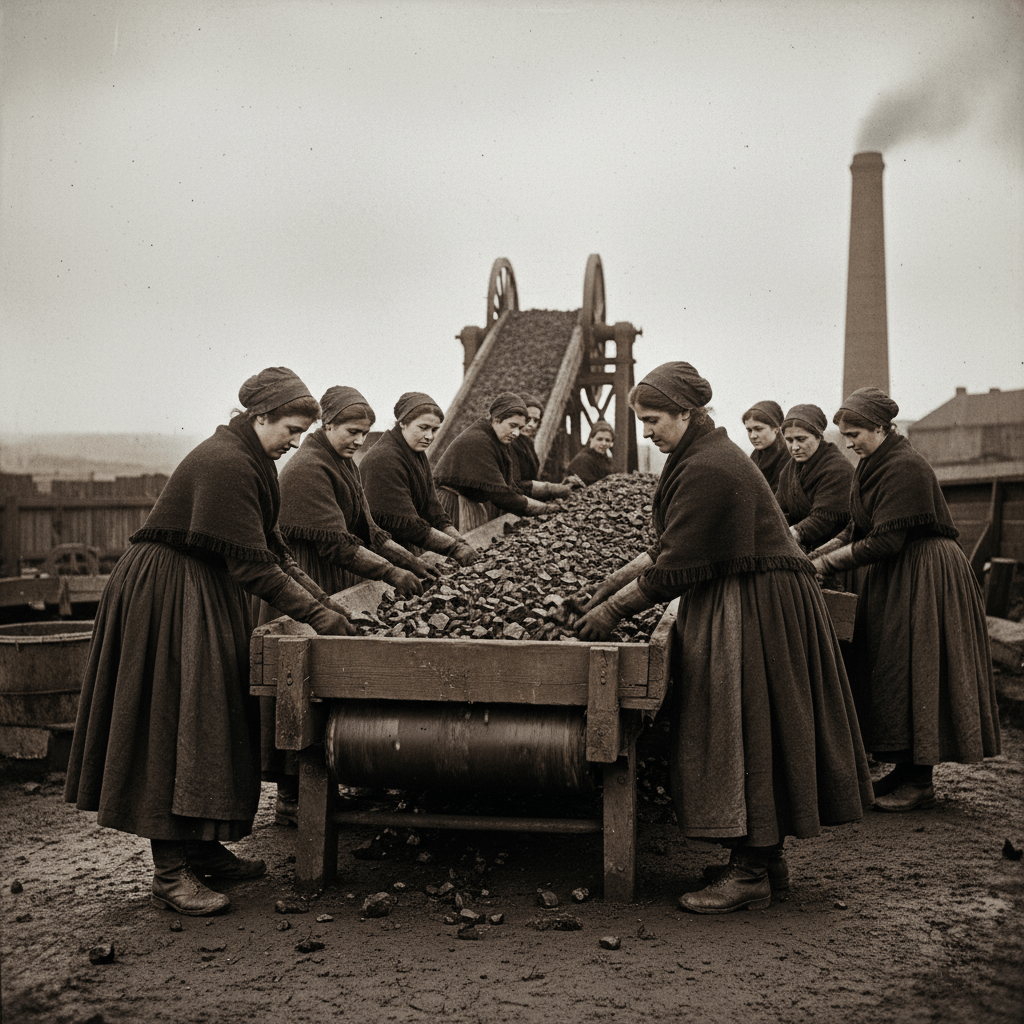
Pit Brow Lass
The Pit Brow Lass was a vital yet often overlooked figure in the coal mining industry during the Victorian Era, particularly in the northern regions of England. These women worked at the surface of coal mines, known as the 'pit brow,' where they played a crucial role in the extraction and processing of coal. Their responsibilities included sorting coal from the waste material, loading it onto carts, and ensuring that the coal was ready for transport to markets. The work was physically demanding and often conducted in harsh conditions, with women frequently exposed to the elements and the dangers of the mining environment. Despite the grueling nature of their labor, Pit Brow Lasses were known for their resilience and camaraderie, often forming close-knit communities among themselves as they navigated the challenges of their work.
Future Exhibits
Professions of Tomorrow
Emerging roles grounded in real trends and genuine human needs. These professions represent opportunities—not predictions—for those ready to adapt and grow.

Urban Drone Delivery Coordinator
In the bustling cities of the Automation Age, where technology seamlessly integrates into daily life, the role of the Urban Drone Delivery Coordinator emerges as a vital link in the logistics chain. This innovative position is responsible for overseeing the deployment and management of drone delivery systems that transport goods swiftly and efficiently across urban landscapes. As cities become increasingly congested and the demand for rapid delivery services escalates, the Urban Drone Delivery Coordinator ensures that these aerial vehicles operate safely, adhere to regulations, and meet the expectations of consumers. The coordinator's responsibilities extend beyond mere logistics; they are also tasked with optimizing delivery routes, managing drone fleets, and coordinating with local authorities to ensure compliance with airspace regulations. They utilize advanced software and AI algorithms to analyze traffic patterns, weather conditions, and delivery demands, making real-time adjustments to enhance efficiency. In this role, the coordinator acts as a bridge between technology and community, ensuring that drone deliveries are not only effective but also considerate of urban environments and public safety. As cities evolve into smart ecosystems, the Urban Drone Delivery Coordinator plays a crucial role in shaping the future of urban mobility, contributing to a more connected and efficient society.

Ocean Mining Technician
As humanity seeks to meet the growing demand for rare minerals and metals essential for renewable energy technologies, the role of the Ocean Mining Technician emerges as a vital occupation in the Energy Transition Era. This job involves the extraction of valuable resources from the ocean floor, including rare earth elements, lithium, and other minerals critical for batteries, solar panels, and wind turbines. Ocean Mining Technicians operate advanced underwater drones and remotely operated vehicles (ROVs) equipped with cutting-edge technology to explore and harvest these resources while ensuring minimal environmental impact. The Ocean Mining Technician is not just a miner; they are a steward of the ocean, balancing the need for resource extraction with the imperative to protect marine ecosystems. This role requires a deep understanding of oceanography, geology, and environmental science, as well as proficiency in operating sophisticated machinery and data analysis tools. Technicians work closely with marine biologists and environmental scientists to monitor the health of the ocean and implement sustainable practices in their operations. In this future landscape, the Ocean Mining Technician plays a crucial role in the global shift towards sustainable energy, contributing to the development of technologies that will power the world while safeguarding the planet's most precious resources.

Human-AI Creative Director
In the not-so-distant future, the role of the Human-AI Creative Director emerges as a pivotal position at the intersection of human creativity and artificial intelligence. As industries increasingly integrate AI into their creative processes, this role becomes essential in guiding and harmonizing the collaboration between human artists and AI systems. The Human-AI Creative Director is responsible for overseeing projects that leverage AI tools to enhance artistic expression, ensuring that the final outputs resonate with human emotions and cultural relevance. This position not only requires a deep understanding of both creative practices and AI technologies but also a visionary approach to how these two realms can coexist and elevate one another. The Human-AI Creative Director will curate experiences that challenge traditional notions of authorship and creativity, pushing the boundaries of what is possible in art, design, and media.
Timeline
The Evolution of Work
From the printing press to planetary stewardship — six centuries of human labor, adaptation, and reinvention. Scroll to explore the full journey.
The Printing Press
Gutenberg's invention creates the first mass media profession: the printer.
Age of Exploration
Navigators, cartographers, and shipbuilders become essential professions.
Scientific Revolution
Natural philosophers emerge as the precursors to modern scientists.
Skilled Trades Flourish
Blacksmiths, cobblers, and craftsmen form the backbone of pre-industrial work.
Industrial Revolution Begins
Factory workers replace cottage industries; the nature of labor transforms.
Railway Age
Engineers, conductors, and station masters connect nations by rail.
The Typist Era Begins
The typewriter transforms office work, creating new roles for skilled operators.
Telephone Operators Connect
Switchboard operators become essential, linking voices across distances.
Assembly Line Revolution
Mass production changes manufacturing, creating specialized roles.
The Computer Age Dawns
Early computing creates new technical professions while automating calculations.
Personal Computing Spreads
Desktop computers transform office work; typing pools begin to fade.
The Internet Era
Digital connectivity reshapes commerce, communication, and countless careers.
Mobile Revolution
Smartphones create app developers, social media managers, and the gig economy.
AI Integration Begins
Artificial intelligence starts transforming knowledge work and creative fields.
Human-AI Collaboration
New roles emerge focused on guiding and working alongside AI systems.
Quantum Computing Era
Quantum specialists solve previously impossible computational challenges.
Neural Interface Specialists
Brain-computer interfaces create new fields in human augmentation.
Space Economy Expands
Orbital construction workers and asteroid miners become reality.
Planetary Stewardship
Climate architects and ecosystem engineers restore and maintain Earth's balance.
Consciousness Engineering
Mind-body specialists help humans navigate digital-biological integration.
Interplanetary Workforce
Mars colonization creates demand for terraformers and space habitat managers.
Post-Scarcity Curators
Meaning architects help humanity find purpose in an age of abundance.