
Tudor Period
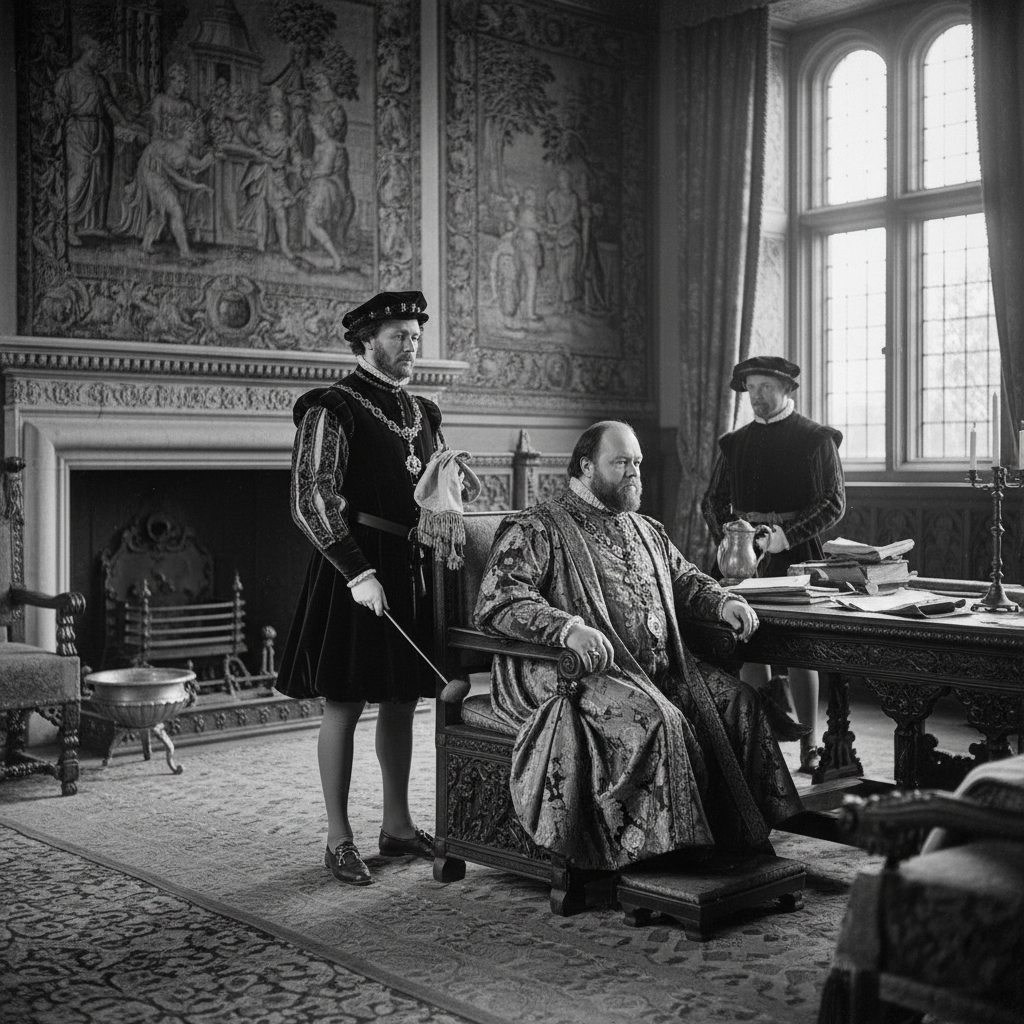
Groom of The Stool
An extinct profession from Tudor Period that became obsolete due to technological advancement and societal change.
Media Gallery
Related Exhibits
Town Crier
In the bustling streets of medieval towns, where the written word was a luxury few could afford, the Town Crier served as the vital link between the local government and the populace. Clad in a distinctive uniform, often adorned with a bell and a scroll, the Town Crier was a figure of authority and community spirit. His primary duty was to announce news, proclamations, and important events to the townsfolk, ensuring that even the illiterate could stay informed about matters that affected their daily lives. From royal decrees to local market days, the Town Crier's voice echoed through the streets, a herald of information in an age where communication was limited. The role was not merely about shouting news; it required a keen understanding of the community's needs and a flair for performance. Town Cryers were often chosen for their loud, clear voices and their ability to engage the public, making announcements memorable and entertaining. They would often embellish their proclamations with dramatic flair, using gestures and intonation to capture the attention of passersby. In addition to their announcements, Town Cryers played a crucial role in maintaining public order. They would often be called upon to quell disputes or remind citizens of local laws and regulations, acting as a mediator in the community. Their presence was a symbol of civic pride and a reminder of the social contract between the rulers and the ruled, making them an indispensable part of town life.
Explore More Exhibits
Discover the full collection of past and future professions in The Jobs Museum.