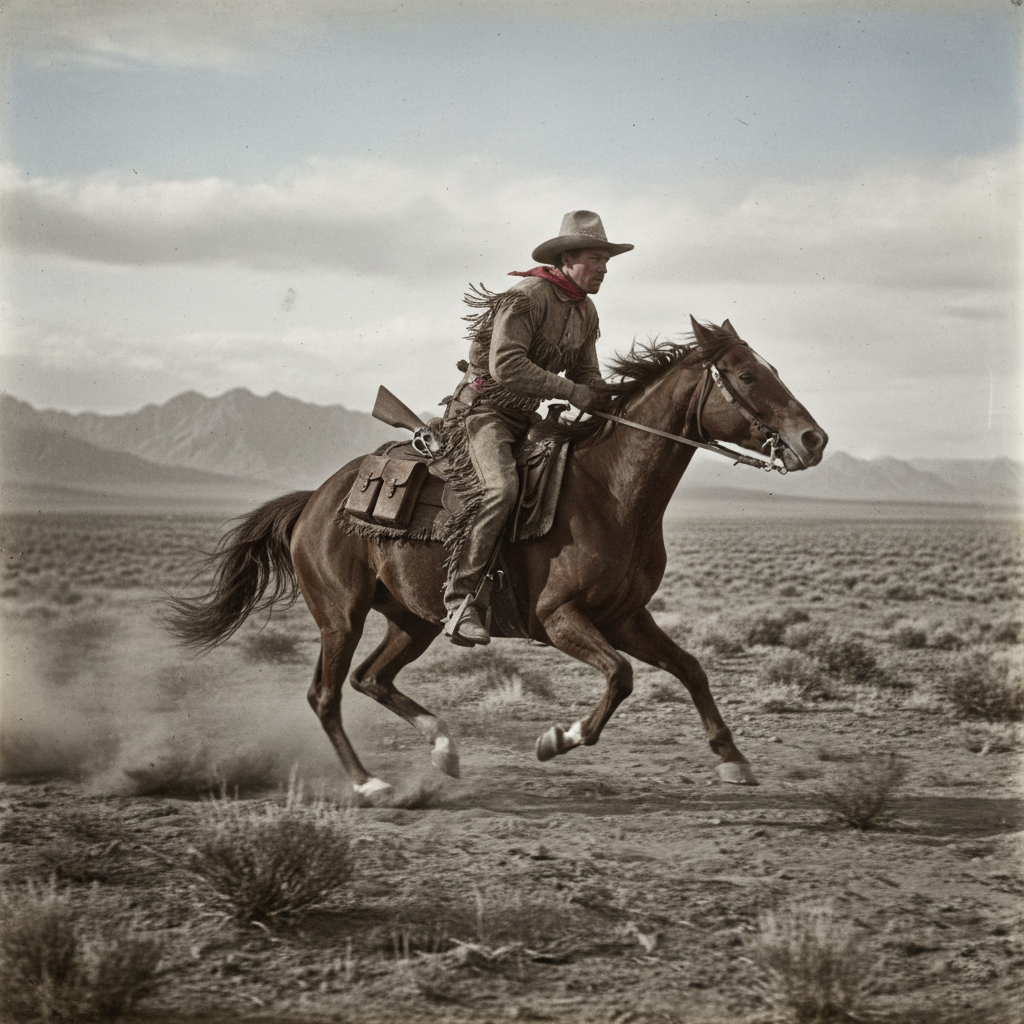
About the Pony Express Rider Profession
The Pony Express was a mail service that operated in the United States from April 1860 to October 1861, providing a vital link between the East and West coasts during a time of rapid expansion and communication needs. Riders, known as Pony Express Riders, were young, brave men who undertook the perilous task of delivering mail across the vast and often treacherous terrain of the American frontier. Each rider was responsible for a segment of the route, which spanned approximately 1,900 miles from St. Joseph, Missouri, to Sacramento, California. The service was renowned for its speed, with letters often delivered in just ten days, a remarkable feat for the time.
Riders faced numerous challenges, including harsh weather conditions, rugged landscapes, and the threat of hostile encounters with Native American tribes or outlaws. They rode at a breakneck pace, often changing horses every 10 to 15 miles at designated relay stations, which were strategically placed along the route. The Pony Express was not just a job; it was a test of endurance, courage, and commitment to the mission of connecting a growing nation. Riders were often seen as heroes, embodying the spirit of adventure and the pioneering ethos of the American West.
Day in the Life of a Pony Express Rider
Early Morning: Preparing for the Journey
As dawn breaks, the Pony Express Rider rises early, often before the sun has fully illuminated the sky. After a quick breakfast, he dons his rugged riding gear, which includes a sturdy leather jacket, a wide-brimmed hat to shield him from the sun, and durable boots designed for long hours in the saddle. He checks his gear, ensuring he has the essential tools: a satchel for carrying the mail, a canteen for water, and a small firearm for protection.
Morning: The Ride Begins
By the time the sun peeks over the horizon, the rider is mounted on a fresh, spirited pony, ready to embark on his leg of the journey. He gallops out of the relay station, feeling the wind whip through his hair as he navigates the rugged terrain. The rider must remain vigilant, scanning the landscape for potential dangers, including steep cliffs, wild animals, and the possibility of ambush.
Midday: Changing Horses
After riding for about 10 to 15 miles, the rider arrives at the next relay station, where he quickly dismounts and hands off the mail pouch to the next rider. He takes a moment to rest, hydrate, and refuel with a quick meal before mounting another horse, often a fresh steed that has been waiting for him. The clock is always ticking, and every second counts in the race against time.
Afternoon: Facing Challenges
As the day progresses, the rider continues his journey, facing the elements head-on. Whether it’s a sudden rainstorm or the scorching heat of the sun, he must adapt quickly. The rider’s physical stamina and mental fortitude are tested as he pushes through fatigue, knowing that the successful delivery of the mail depends on his speed and determination.
Evening: Completing the Route
As dusk approaches, the rider nears the end of his leg. He arrives at the next relay station, where he hands off the mail pouch once again. Exhausted but exhilarated, he reflects on the day’s challenges and triumphs. After a hearty meal and some much-needed rest, he prepares for the next day’s ride, knowing that the Pony Express is more than just a job; it’s a vital service that connects people across a vast nation.