
Medieval Period
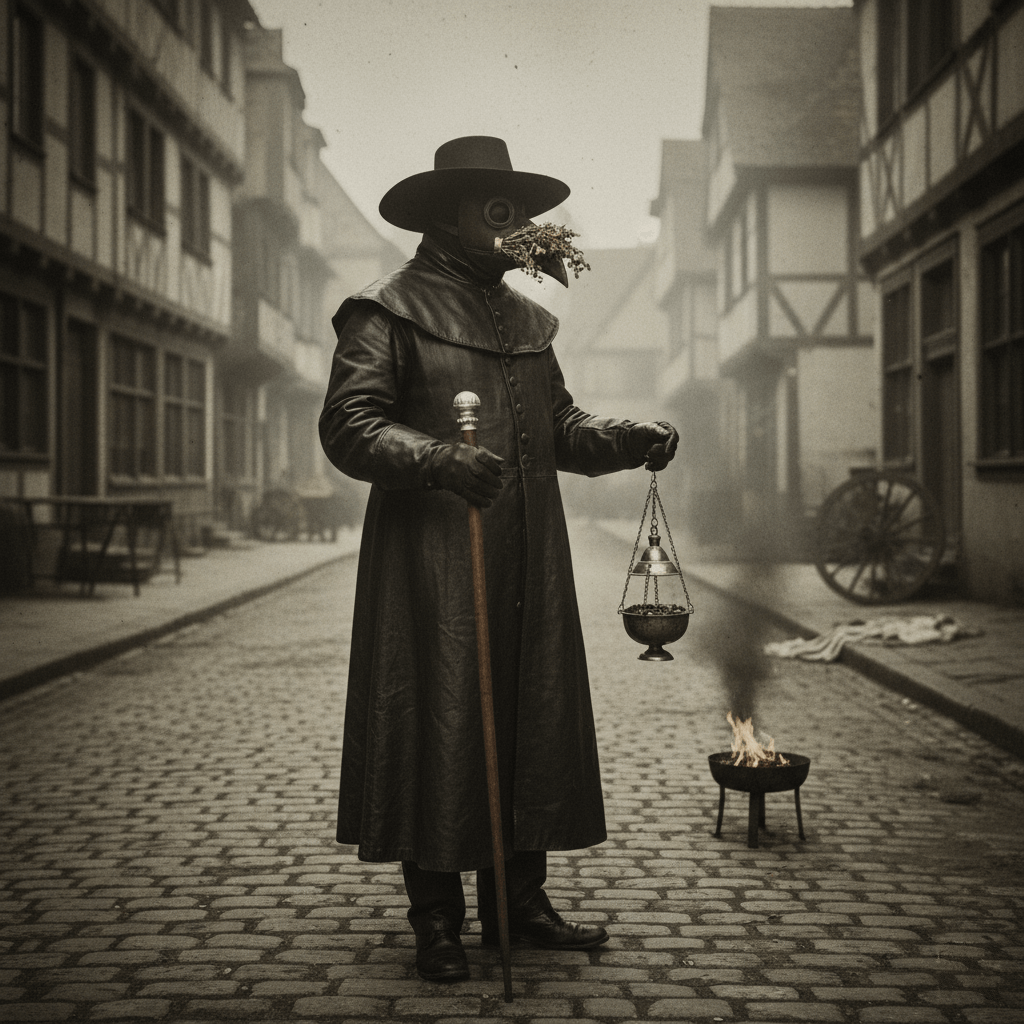
Plague Doctor
An extinct profession from Medieval Period that became obsolete due to technological advancement and societal change.
Media Gallery
Related Exhibits
Lighthouse Keeper
The role of a lighthouse keeper was vital to maritime safety, particularly during the 19th century when shipping traffic surged due to industrialization and global trade. Lighthouse keepers were responsible for maintaining the light and ensuring that it was visible to passing ships, guiding them safely through treacherous waters. This job required a deep understanding of navigation, meteorology, and mechanical systems, as keepers often had to troubleshoot and repair the light mechanisms, which could include oil lamps or later, electric lights. The keeper's duties extended beyond just the light; they also maintained the lighthouse itself, kept records of weather conditions, and sometimes assisted in rescue operations for distressed vessels. The isolation of many lighthouses meant that keepers often lived in remote locations, sometimes with their families, fostering a unique community around these beacons of safety.
Street Photographer
Street photographers were the visual storytellers of urban life, capturing candid moments and the essence of everyday existence in bustling city streets. Active primarily from the early 1900s to the late 20th century, these artists wielded their cameras to document the vibrancy of public spaces, from crowded markets to serene parks, and everything in between. Their work often reflected the social dynamics, cultural shifts, and historical events of their time, providing a unique lens through which to view the world. Street photography was not merely about taking pictures; it was about seizing fleeting moments that conveyed emotion, narrative, and the human experience. The street photographer's role was multifaceted, requiring not only technical skill in photography but also an acute awareness of the environment and the ability to connect with strangers. They often worked independently, roaming the streets with their cameras, ready to capture spontaneous interactions and scenes that told a story. Their photographs were frequently published in newspapers, magazines, and art galleries, contributing to the visual culture of the era and influencing future generations of photographers.
Explore More Exhibits
Discover the full collection of past and future professions in The Jobs Museum.