
Medieval Period
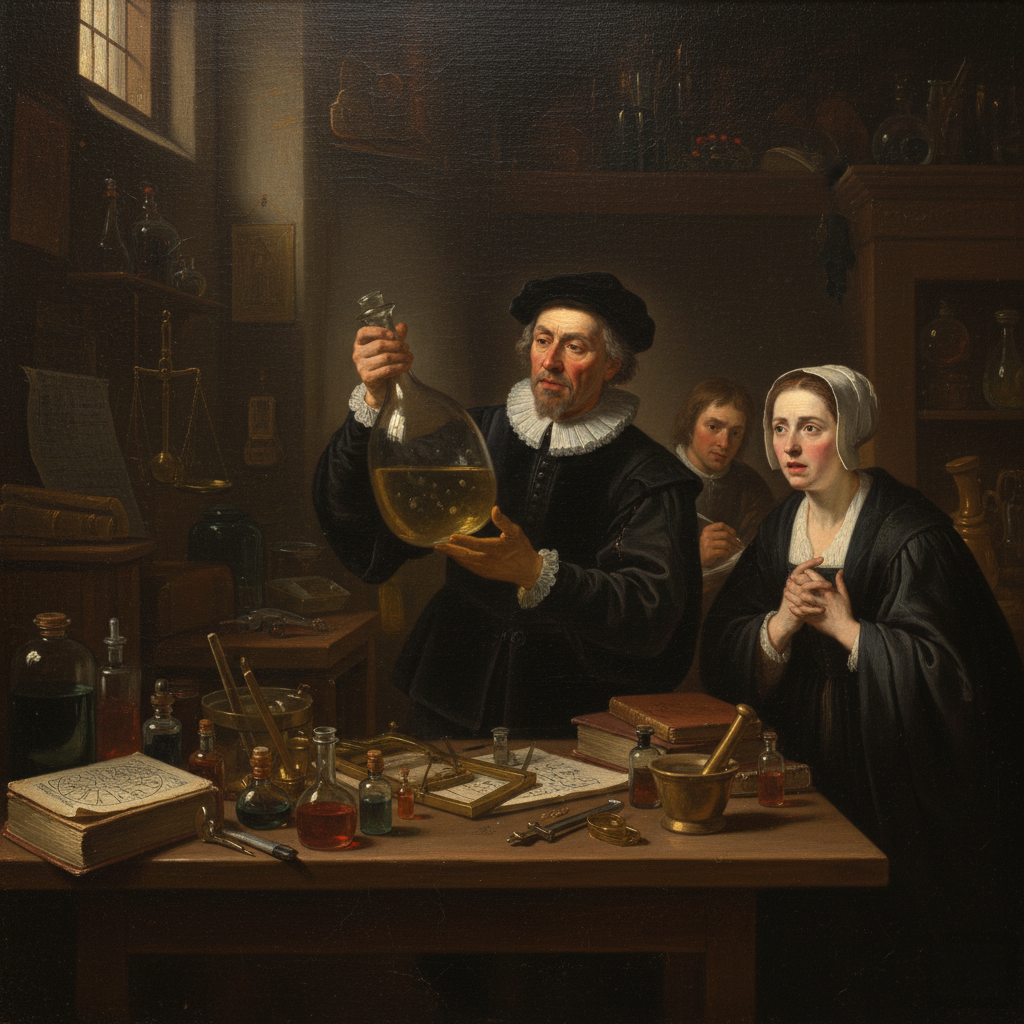
Piss-Prophet
An extinct profession from Medieval Period that became obsolete due to technological advancement and societal change.
Media Gallery
Related Exhibits
Vitascope Operator
The Vitascope Operator was a pioneering figure in the early days of cinema, responsible for operating the Vitascope, one of the first commercially successful motion picture projectors. This role emerged in the late 19th century, during a time when the world was captivated by the novelty of moving images. The Vitascope, developed by Thomas Edison and his team, allowed for the projection of short films to audiences in theaters, marking a significant leap in entertainment technology. Operators were tasked with not only running the machine but also ensuring that the film was threaded correctly, maintaining the right speed, and managing the light source to create a clear image on the screen. The job required a blend of technical skill and showmanship, as operators often had to engage with the audience, enhancing the viewing experience with commentary or sound effects. The excitement of the flickering images and the communal experience of watching films in a darkened theater made the role of the Vitascope Operator a vital part of the early film industry.
Ice Delivery Man
The Ice Delivery Man was a vital figure in the late 19th and early 20th centuries, responsible for transporting large blocks of ice from ice houses to homes and businesses. Before the advent of modern refrigeration, ice was essential for preserving food, cooling drinks, and providing comfort during the sweltering summer months. Ice delivery men would often rise before dawn, preparing for a long day of labor that involved hauling heavy blocks of ice, sometimes weighing up to 300 pounds, using specialized tools and horse-drawn wagons. They navigated through city streets, delivering ice to households, restaurants, and markets, often shouting 'Ice!' to announce their arrival. The job required not only physical strength but also knowledge of customer preferences, as many clients had specific requests for the size and quantity of ice needed. The ice delivery man was a familiar sight in urban areas, contributing to the daily rhythm of life and commerce.
Explore More Exhibits
Discover the full collection of past and future professions in The Jobs Museum.