
Industrial Revolution
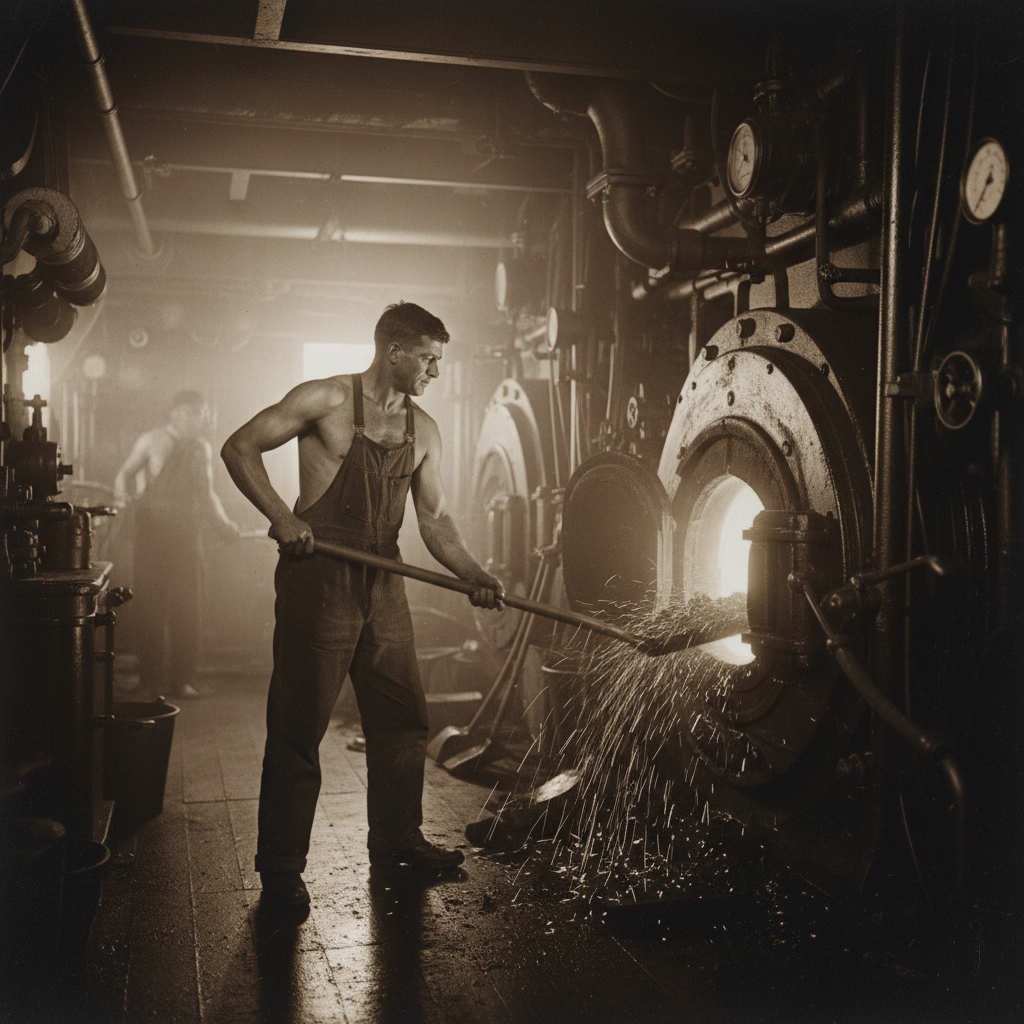
Coal Stoker
An extinct profession from Industrial Revolution that became obsolete due to technological advancement and societal change.
Media Gallery
Related Exhibits
Necessary Woman
The role of the Necessary Woman emerged during the Victorian Era, a time characterized by strict social hierarchies and the delineation of gender roles. These women were employed primarily in affluent households, where they were responsible for the maintenance of the 'necessary room'—a euphemism for the toilet or privy. This job was not merely about cleaning; it involved a range of tasks that ensured the hygiene and comfort of the household. Necessary Women were tasked with the cleaning and upkeep of the facilities, which included emptying chamber pots, scrubbing floors, and ensuring that the necessary room was stocked with essential supplies such as toilet paper and soap. In an era when sanitation was becoming increasingly important, the work of the Necessary Woman was crucial. They were often the unsung heroes of the household, performing a job that was considered too unpleasant for the higher-status members of the family. Their work was essential in preventing the spread of disease, particularly in urban areas where sanitation was a growing concern. Despite the low social status of this occupation, Necessary Women played a vital role in the functioning of Victorian households, often working long hours for modest pay. Their contributions were largely overlooked, reflecting the broader societal attitudes towards women’s work during this period.
Explore More Exhibits
Discover the full collection of past and future professions in The Jobs Museum.