The Jobs Museum
The Past and Future of Work
We explore how professions emerge, evolve, and disappear to help people understand the future of work. The Jobs Museum is a digital archive of past jobs and future roles.

Lamp Lighter
Victorian Era
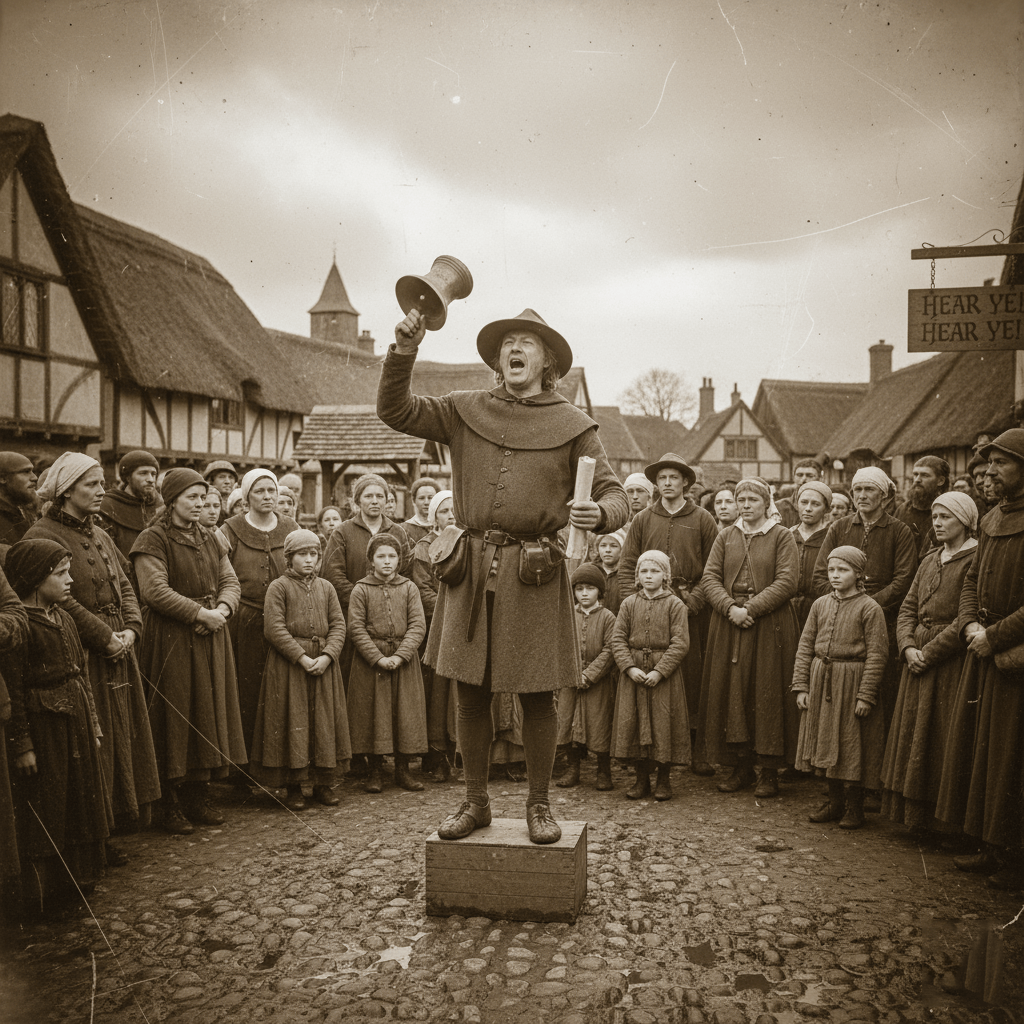
Town Crier
Medieval Period
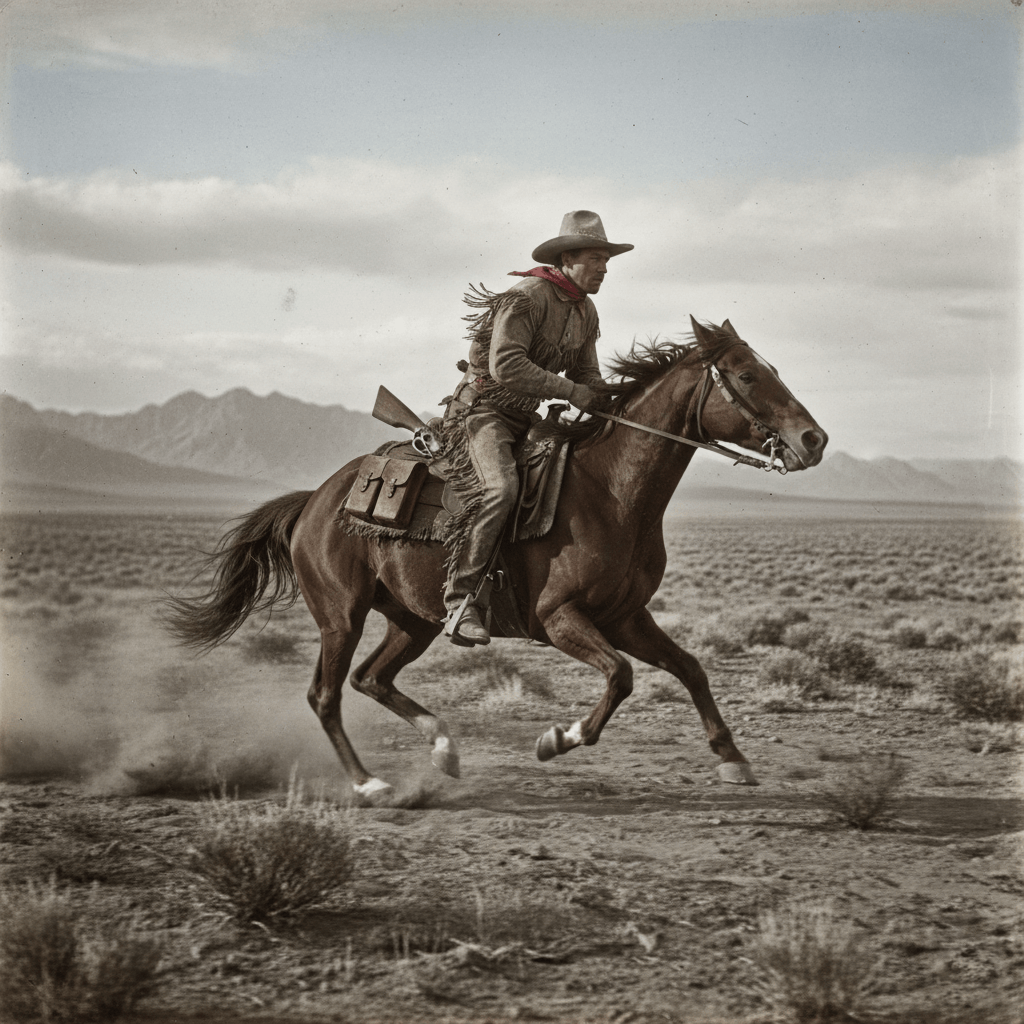
Pony Express Rider
Mid 19th Century
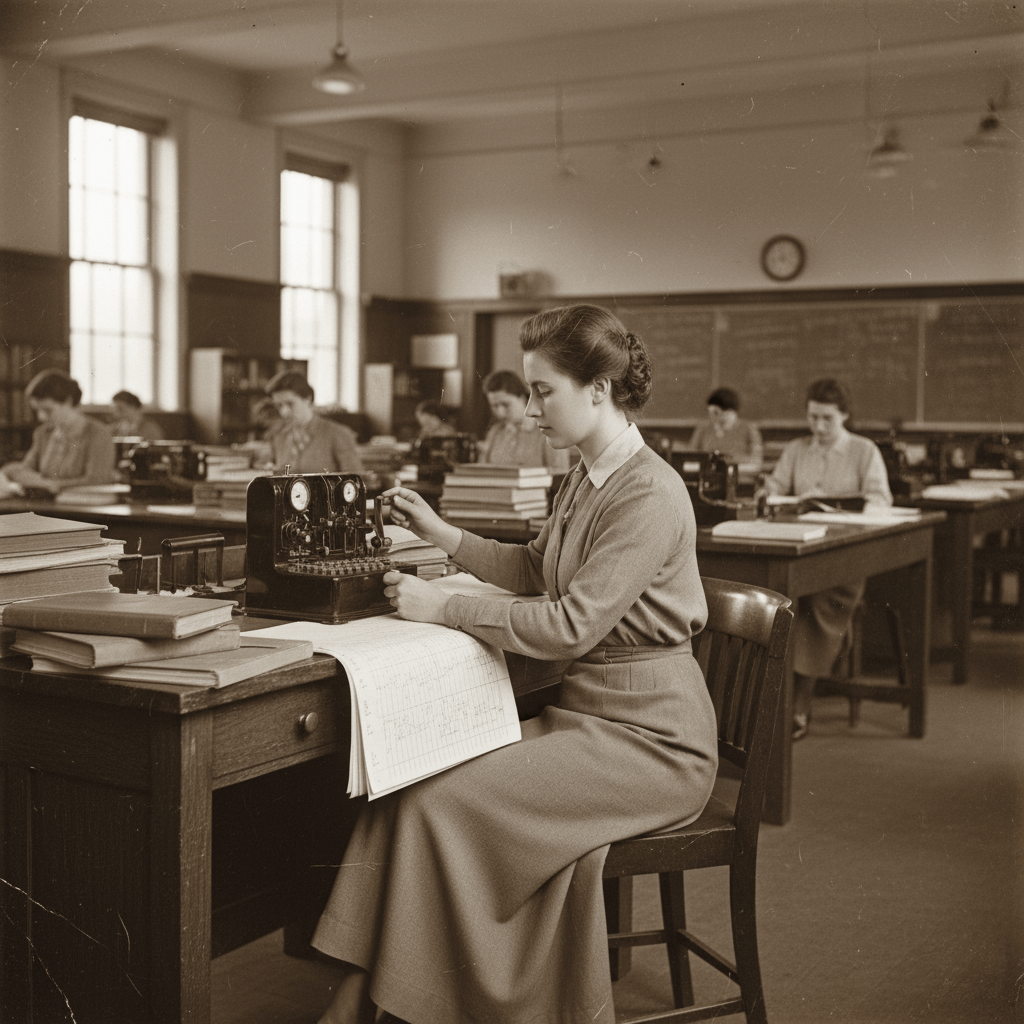
Human Computer
20th Century

Gas Station Attendant
Post-War Era
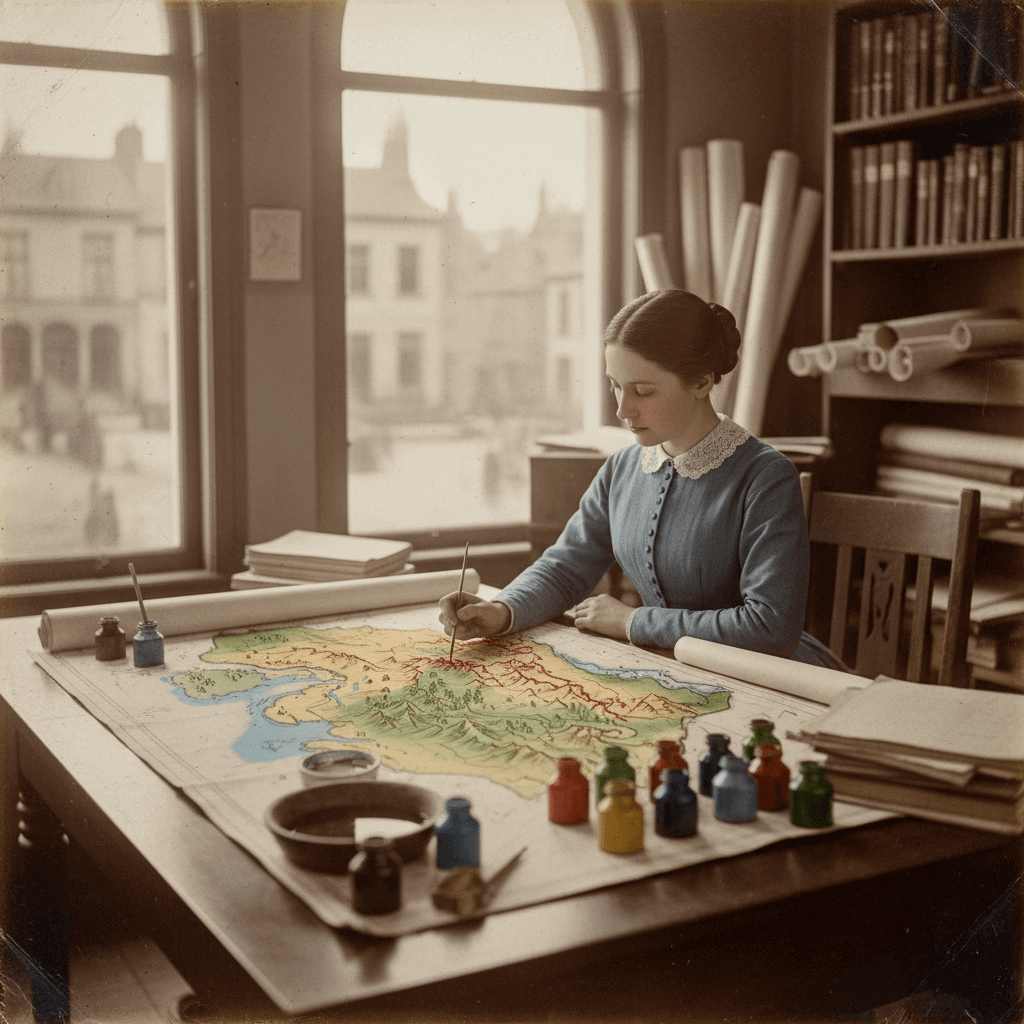
Map Colourist
Victorian Era
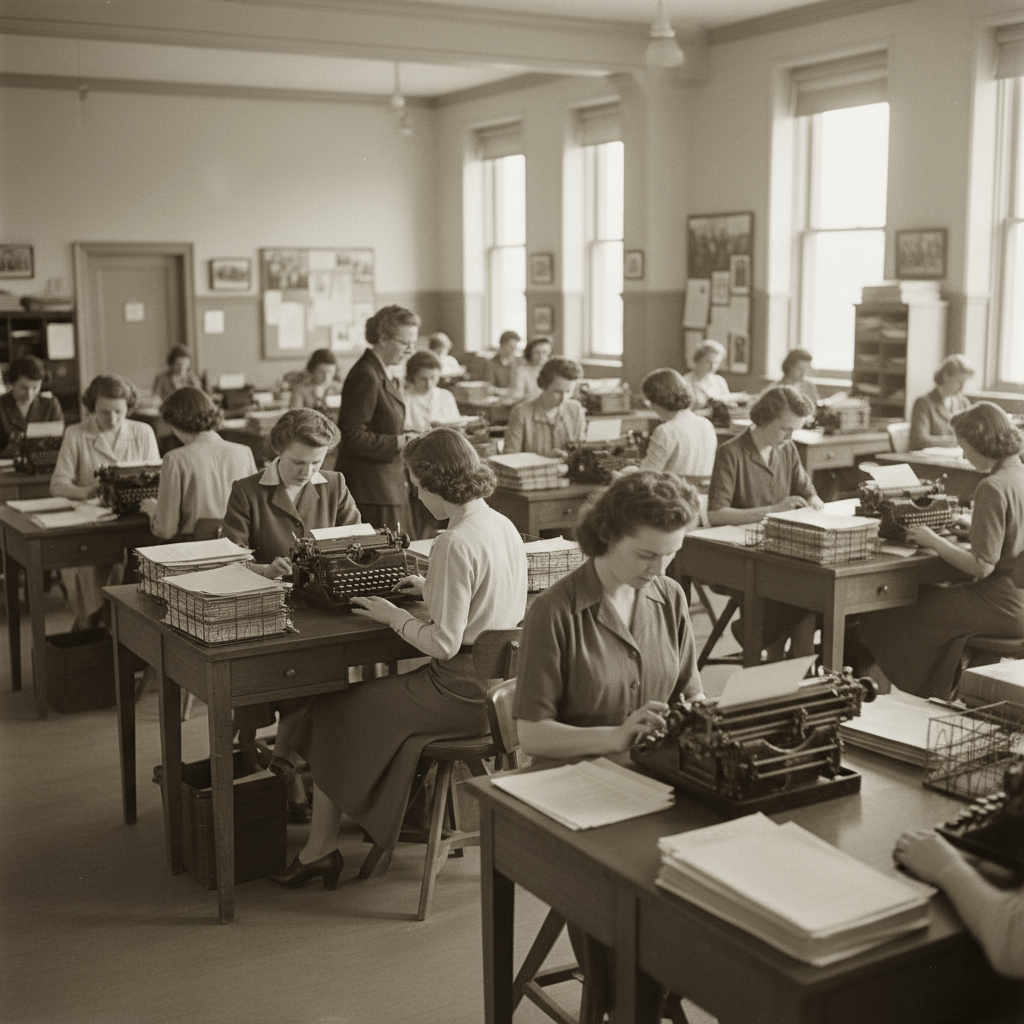
Typist Pool Worker
Post-War Era
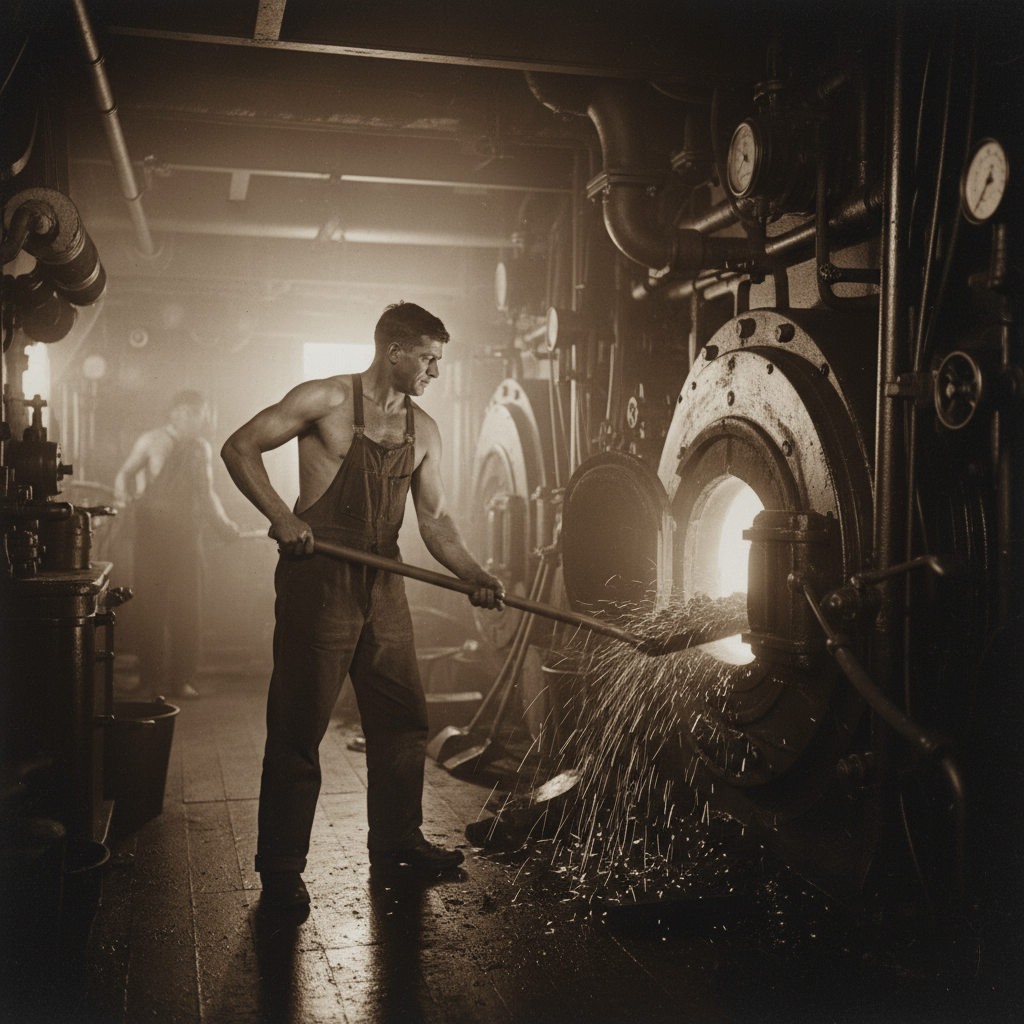
Coal Stoker
Industrial Revolution
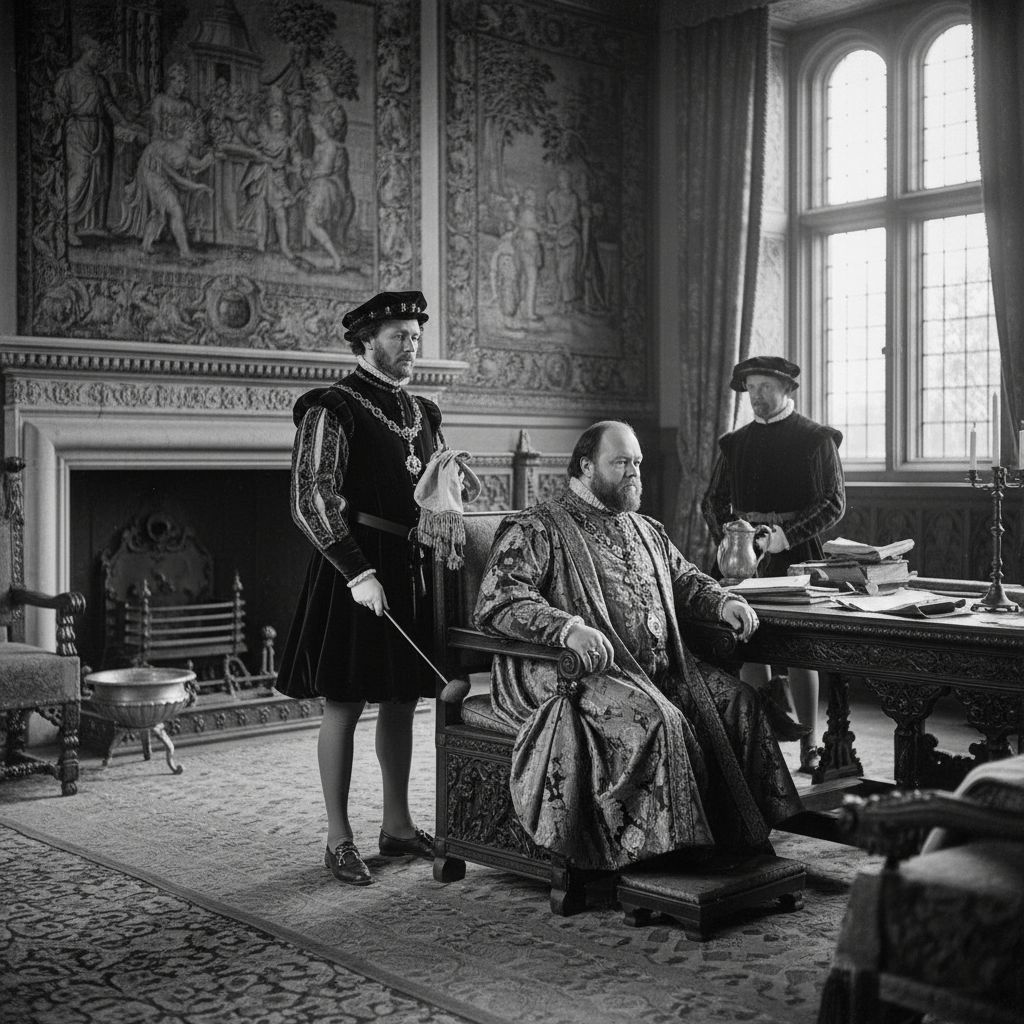
Groom of the Stool
Tudor Period
Lamp Lighter
Victorian Era
Town Crier
Medieval Period
Pony Express Rider
Mid 19th Century
Human Computer
20th Century
Gas Station Attendant
Post-War Era
Map Colourist
Victorian Era
Typist Pool Worker
Post-War Era
Coal Stoker
Industrial Revolution
Groom of the Stool
Tudor Period
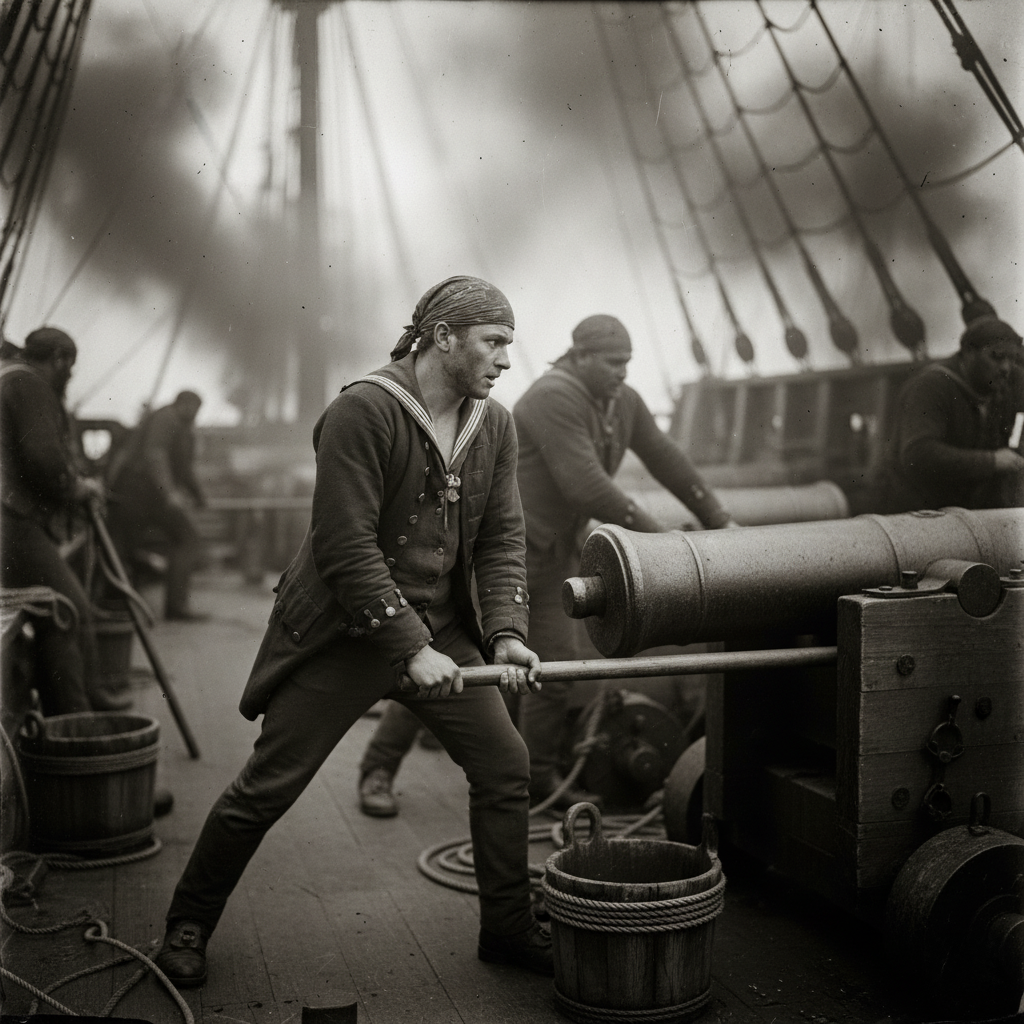
Powder Monkey
Age of Exploration
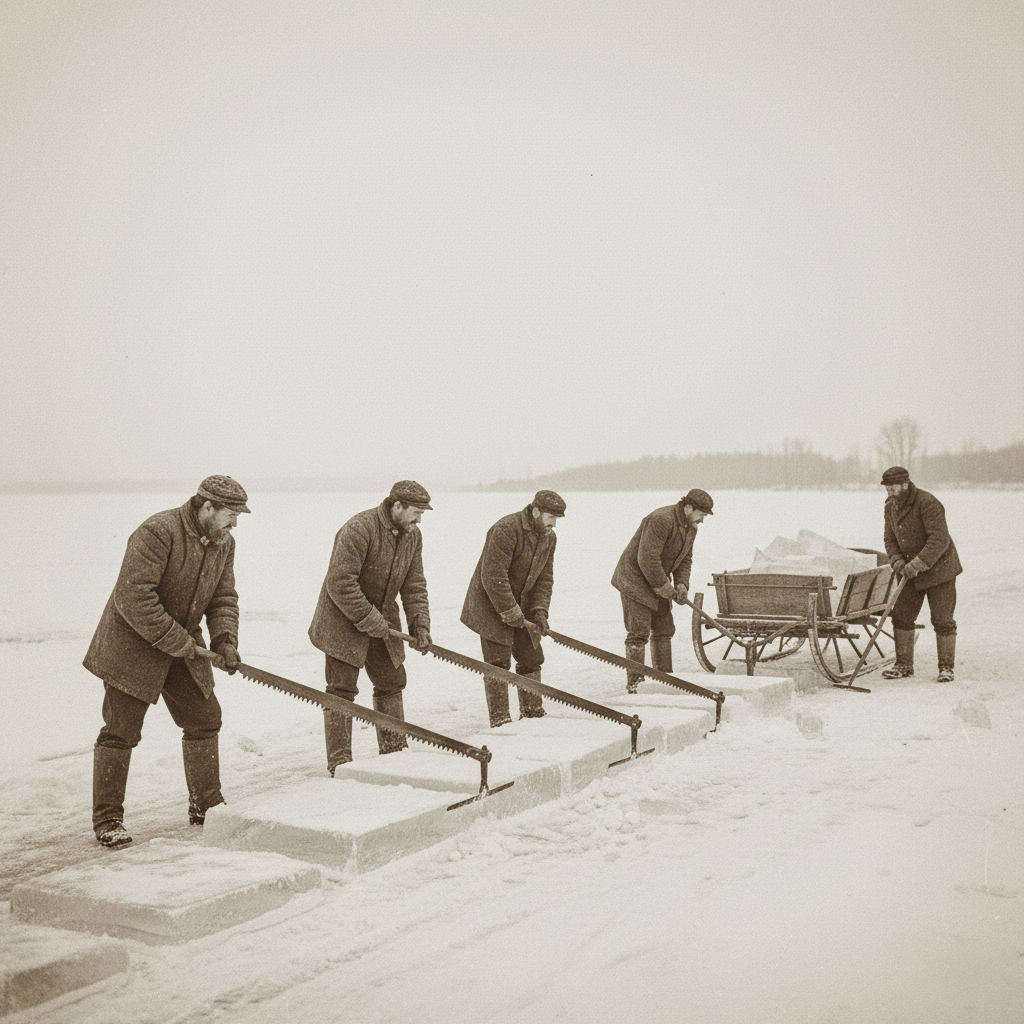
Ice Cutter
19th Century
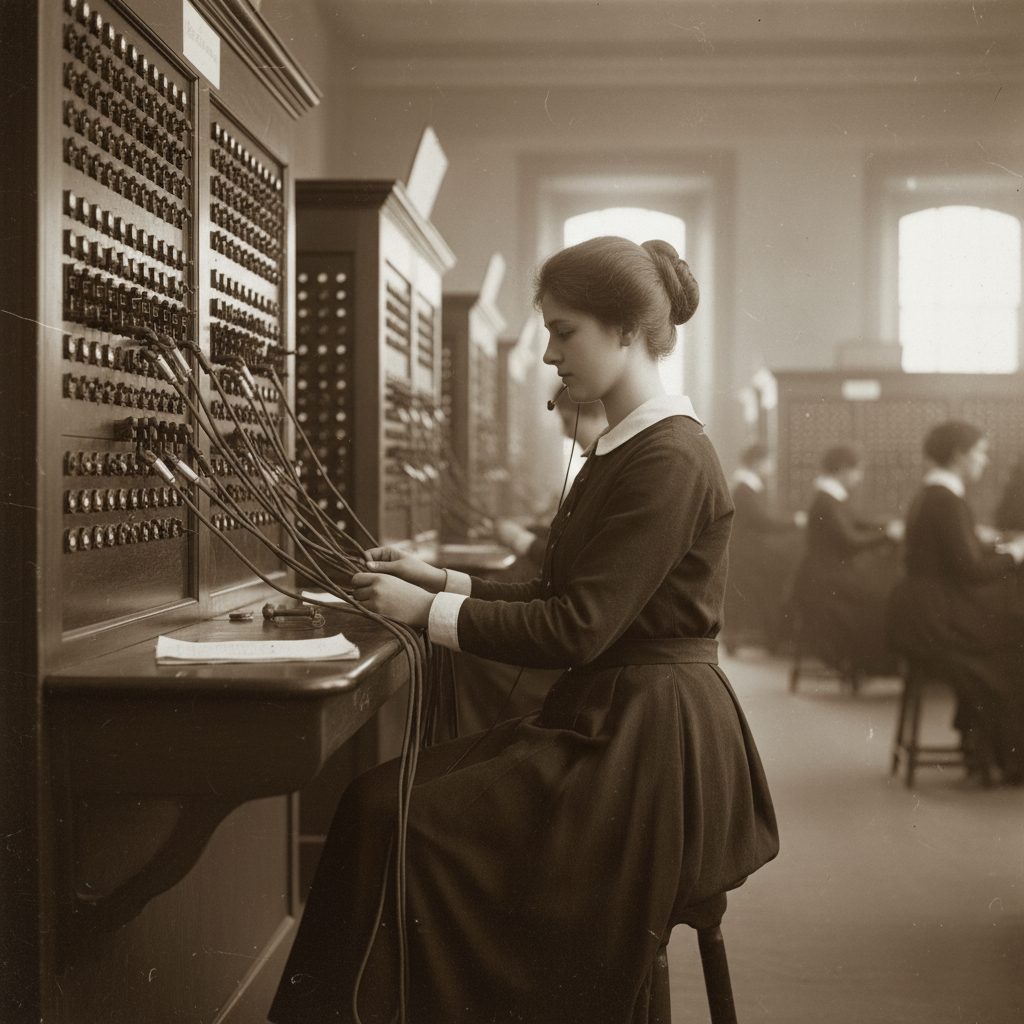
Switchboard Operator
Industrial Revolution
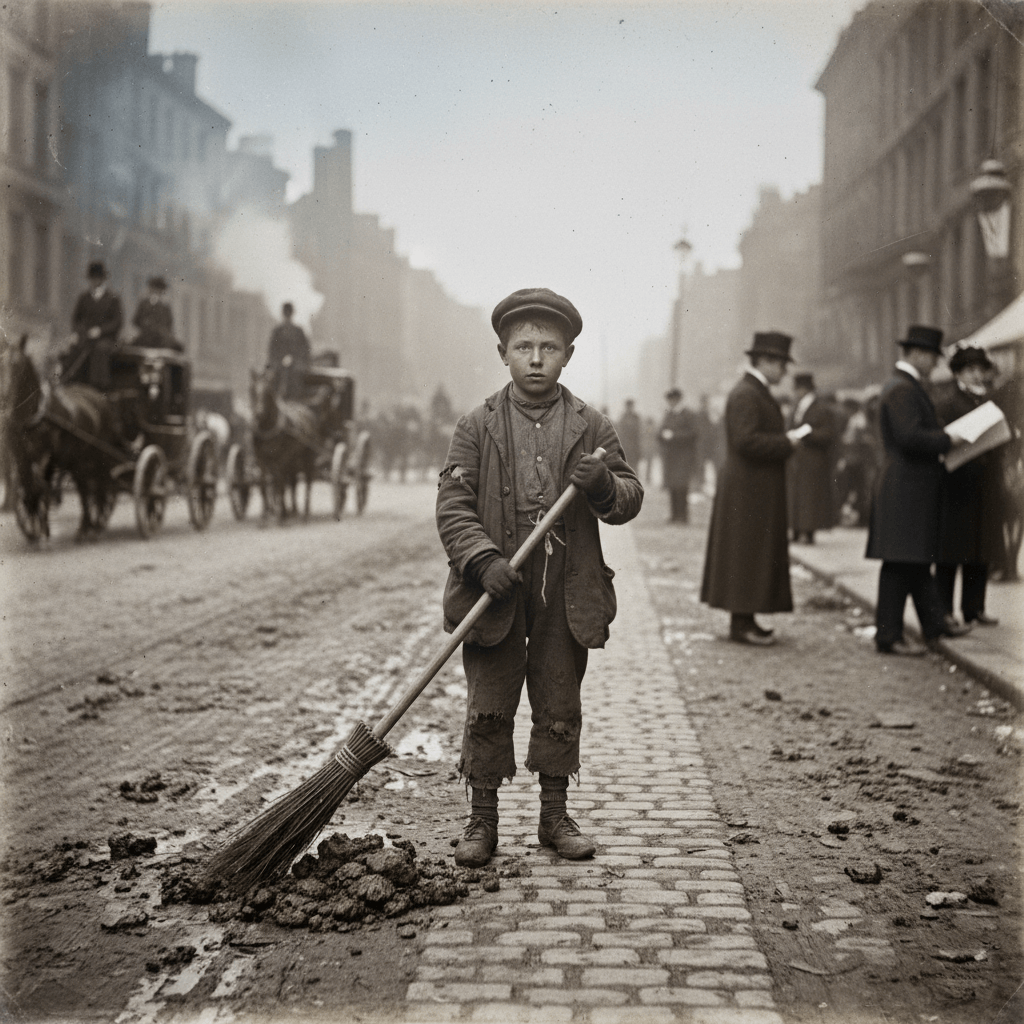
Crossing Sweeper
Victorian Era
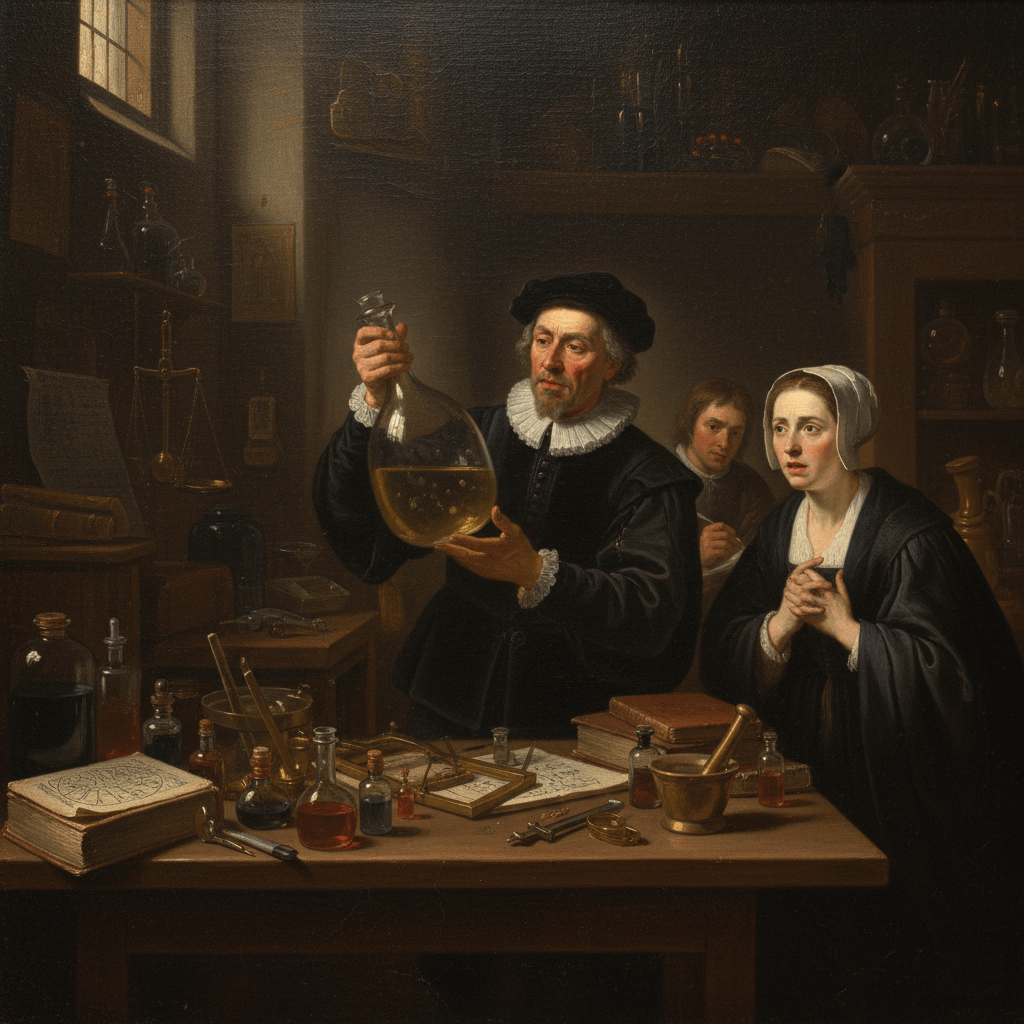
Piss-Prophet
Medieval Period
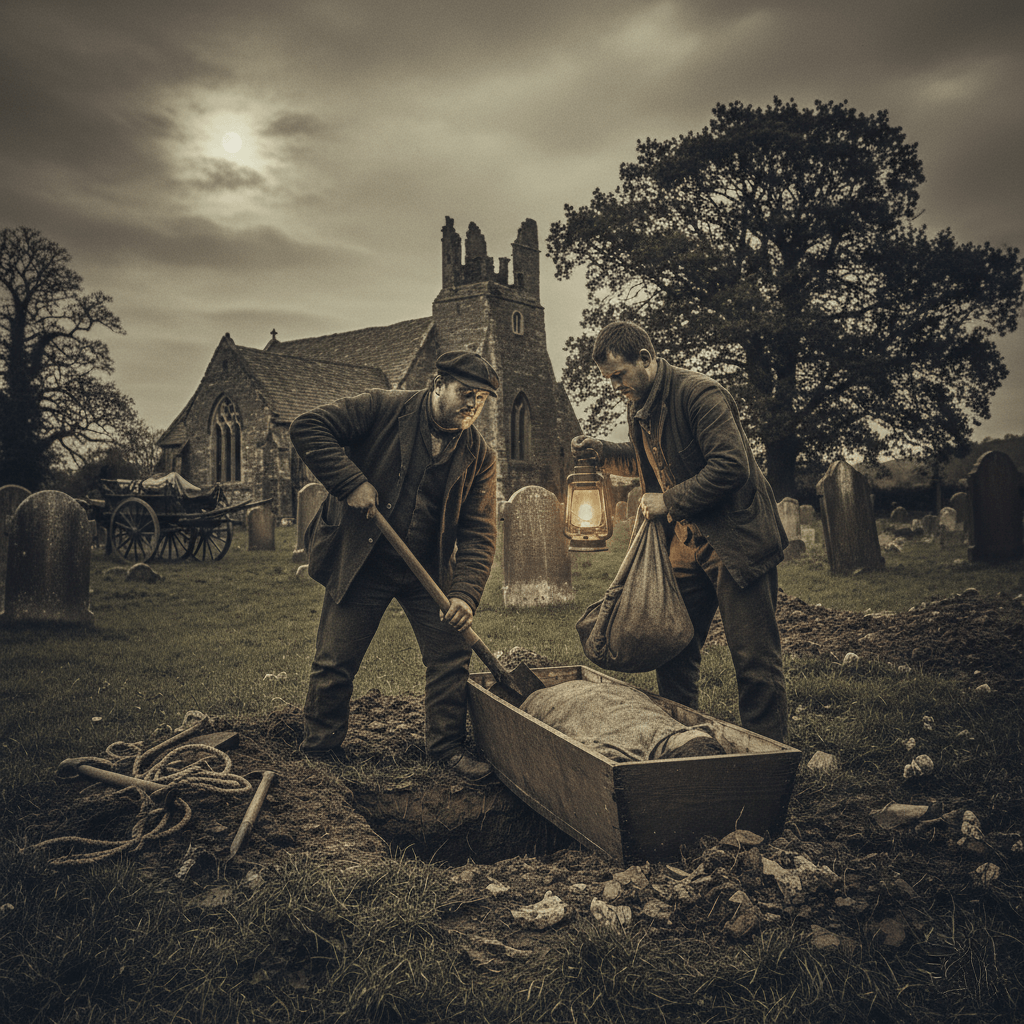
Resurrectionist
Victorian Era
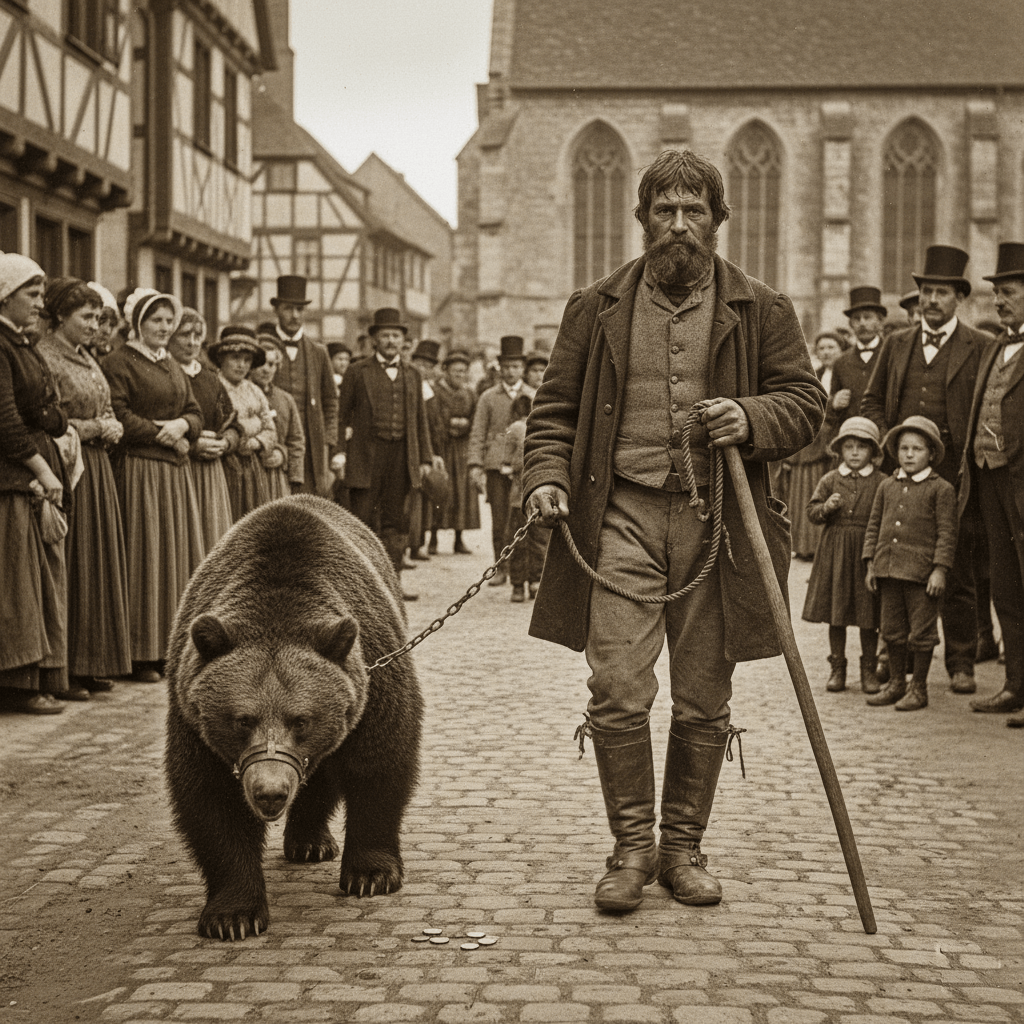
Bear-Leader
Victorian Era

Plague Doctor
Medieval Period
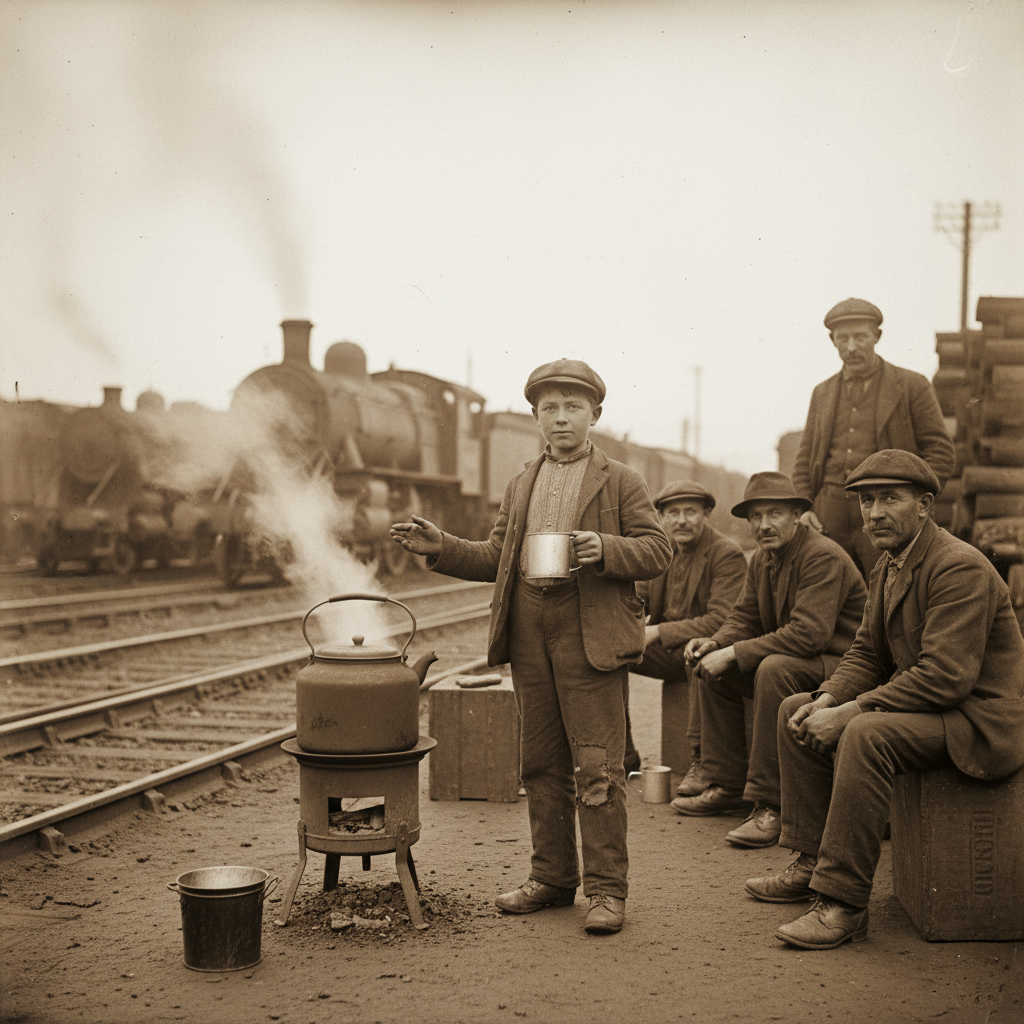
Billy Boy
Victorian Era
Powder Monkey
Age of Exploration
Ice Cutter
19th Century
Switchboard Operator
Industrial Revolution
Crossing Sweeper
Victorian Era
Piss-Prophet
Medieval Period
Resurrectionist
Victorian Era
Bear-Leader
Victorian Era
Plague Doctor
Medieval Period
Billy Boy
Victorian Era
Past Exhibits
Professions of Yesterday
These roles shaped the world we know today. They represent human ingenuity, adaptability, and the dignity of work across generations. Their skills live on in new forms.
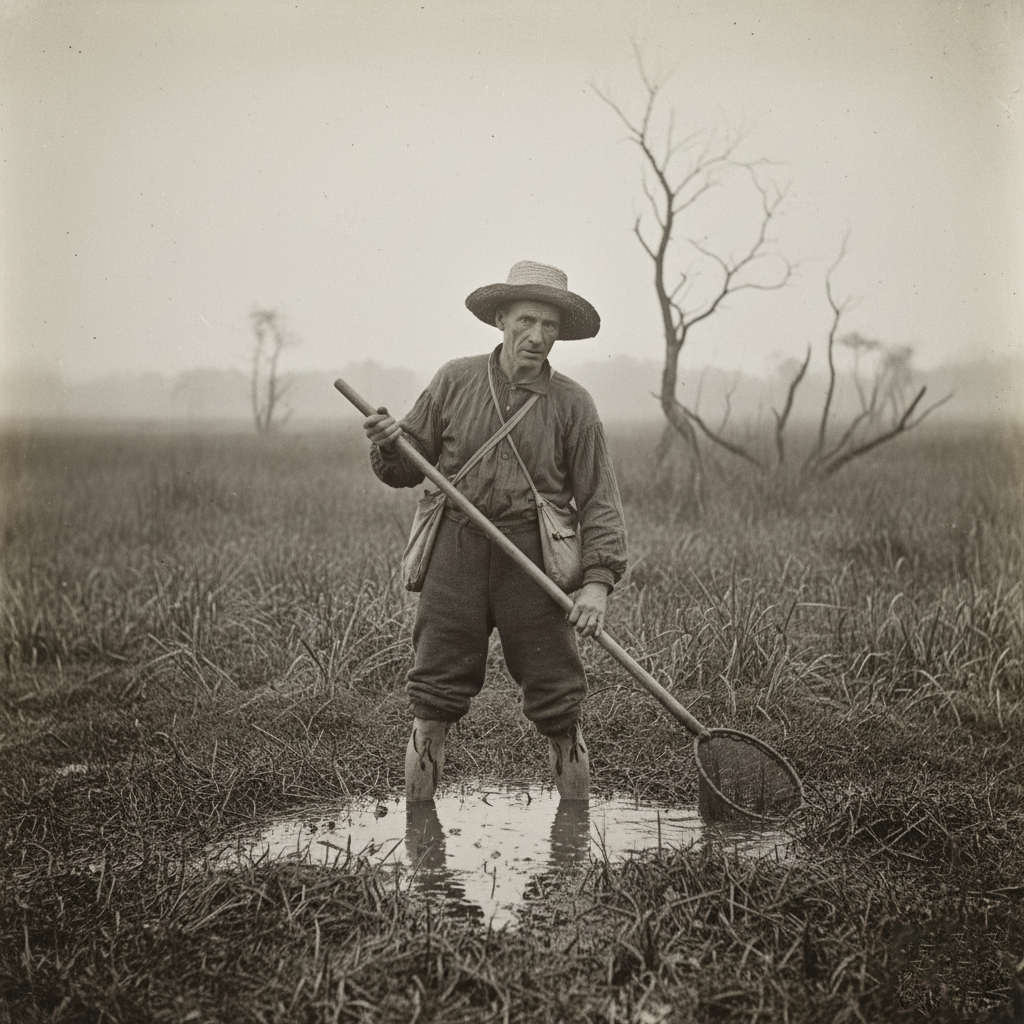
Leech Collector
In the Victorian Era, the leech collector played a crucial role in the burgeoning field of medicine. These individuals were tasked with harvesting leeches from freshwater bodies, primarily for use in bloodletting—a common medical practice of the time. Leeches were believed to cure a variety of ailments by drawing out 'bad blood,' and their demand surged as the medical community embraced this practice. Leech collectors would often wade into muddy waters, using nets and their bare hands to gather these slimy creatures, which were then sold to physicians and apothecaries. The job required not only physical endurance but also a keen understanding of the leeches' habitats and behaviors, as well as the ability to handle them without causing harm to themselves or the creatures. The leech collector's work was often conducted in remote, marshy areas, where they would spend hours in the water, sometimes in harsh weather conditions. The collectors would return home with buckets filled with leeches, which they would keep alive in water-filled containers until sold. The job was labor-intensive and often poorly paid, but it was essential in an era when medical practices relied heavily on the use of leeches for therapeutic purposes. As the medical field evolved and the understanding of human anatomy and disease progressed, the practice of bloodletting fell out of favor. By the late 19th century, with the advent of modern medicine and more effective treatments, the demand for leeches diminished significantly, leading to the decline of this once vital occupation.
Towel Horse
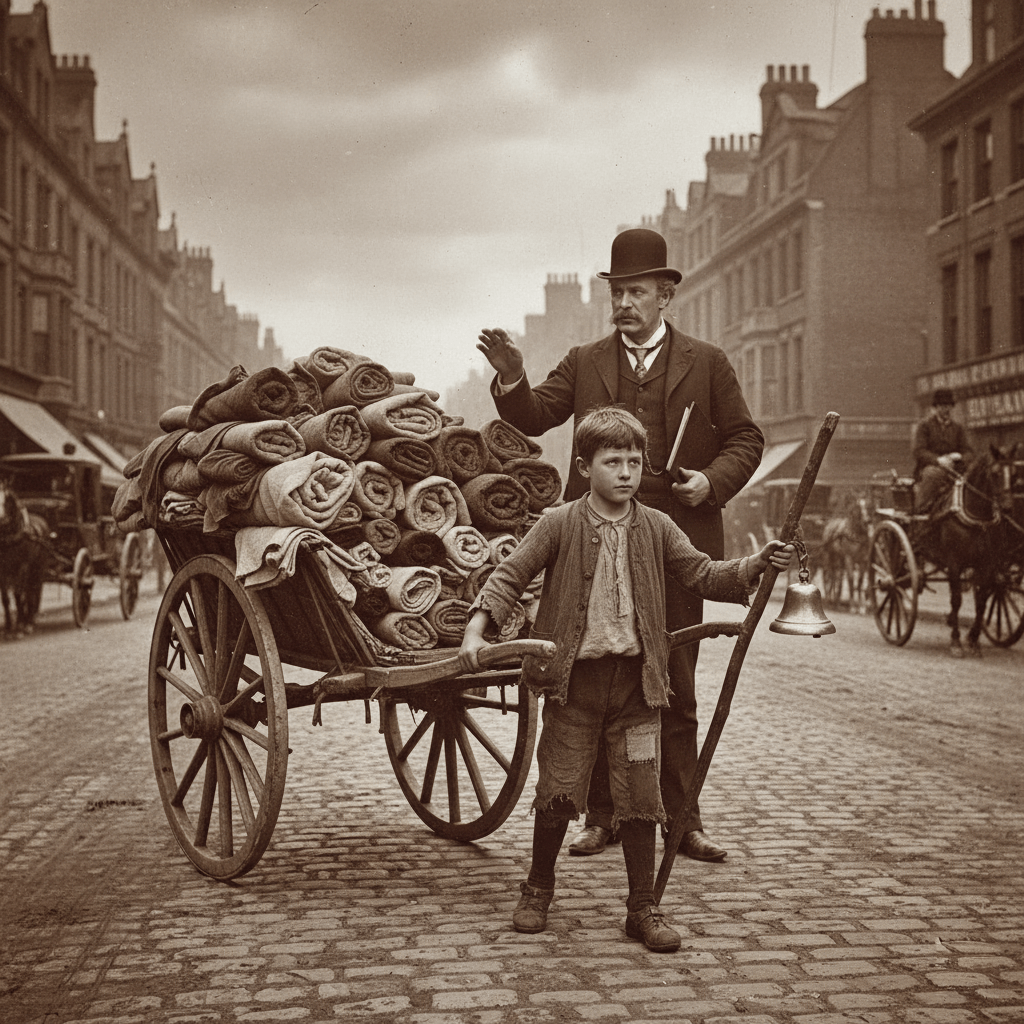
The towel horse was a common fixture in Victorian households, serving as a practical solution for drying and airing out freshly laundered towels. This job involved the creation and maintenance of these wooden frames, which were designed to hold towels in a way that maximized air circulation and minimized mildew. Craftsmen known as towel horse makers would construct these items from sturdy wood, often incorporating decorative elements to enhance their aesthetic appeal. The towel horse was not merely a functional item; it was a symbol of domesticity and cleanliness in an era that placed great emphasis on hygiene and the proper management of household chores. In the bustling homes of the Victorian middle class, the towel horse was an essential accessory, often placed in bathrooms or near wash basins. It allowed families to dry their towels efficiently, reflecting the era's values of order and propriety. The towel horse was typically designed with multiple rungs or bars, allowing several towels to be hung at once, and was often collapsible for easy storage. As the Victorian Era progressed, the towel horse became a staple in many households, with variations in design reflecting the tastes and preferences of the time. Craftsmen took pride in their work, often handcrafting each piece with attention to detail, ensuring that the towel horse was both functional and visually appealing. However, as the 20th century approached, the advent of modern plumbing and the introduction of electric dryers began to change domestic practices. The need for towel horses diminished as households adopted new technologies that made drying towels faster and more efficient. The towel horse, once a common sight in homes, gradually faded into obscurity, becoming a relic of a bygone era.
Typist Pool Worker
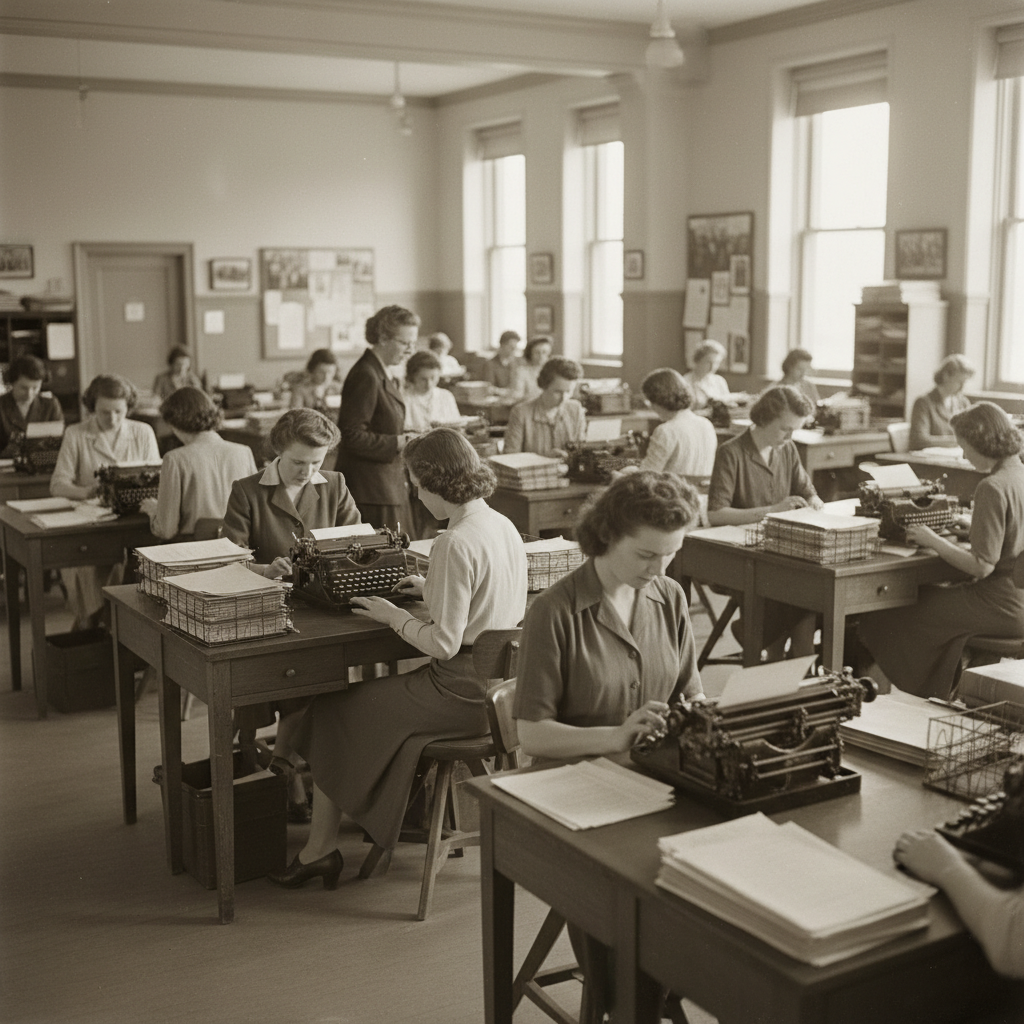
The Typist Pool Worker was a vital cog in the machinery of mid-20th century office life, particularly in the bustling corporate environments of the Post-War Era, from the late 1940s to the early 1980s. These skilled individuals were responsible for producing typed documents, correspondence, and reports, often under tight deadlines. They worked in a shared office space known as a 'typist pool,' where multiple typists would be stationed at rows of typewriters, each contributing to the efficiency of the office. The typist pool was a reflection of the era's burgeoning corporate culture, where the demand for clerical work surged as businesses expanded in the post-war economic boom. The role required not only speed and accuracy in typing but also a keen understanding of office protocols and etiquette. Typist Pool Workers were often the first point of contact for incoming correspondence, and their ability to produce clear, professional documents was crucial for maintaining the image of the organization. They utilized carbon paper for duplicating documents and were adept at using various typewriter models, each with its own quirks and features. The job was often seen as a stepping stone for women entering the workforce, providing them with financial independence and a foothold in the corporate world.
Future Exhibits
Professions of Tomorrow
Emerging roles grounded in real trends and genuine human needs. These professions represent opportunities—not predictions—for those ready to adapt and grow.

Digital Reputation Manager
In an age where our digital footprints are as significant as our physical ones, the role of a Digital Reputation Manager emerges as a vital profession. This job entails the strategic oversight and enhancement of an individual's or organization's online presence, ensuring that their digital reputation aligns with their personal or corporate values. As social media platforms, review sites, and search engines become the primary sources of information for consumers and employers alike, the Digital Reputation Manager acts as a guardian of one's online identity. They utilize advanced AI tools to monitor, analyze, and respond to online content, shaping narratives and mitigating negative perceptions. This role is not just about damage control; it involves proactive reputation building through content creation, engagement strategies, and community management, all while navigating the complexities of privacy and ethical considerations in the digital landscape.

Synthetic Biology Engineer
In the Bioengineering Era, the role of a Synthetic Biology Engineer emerges as a pivotal force in the intersection of biology and technology. These innovative professionals harness the principles of synthetic biology to design and construct new biological parts, devices, and systems, or to redesign existing, natural biological systems for useful purposes. As the world grapples with challenges such as climate change, food security, and health crises, Synthetic Biology Engineers are at the forefront, creating solutions that could revolutionize agriculture, medicine, and environmental sustainability. They work in laboratories equipped with cutting-edge biotechnological tools, utilizing CRISPR gene editing, bioinformatics, and advanced computational modeling to engineer organisms that can produce biofuels, pharmaceuticals, and even biodegradable materials. Their work not only pushes the boundaries of science but also raises profound questions about the ethical implications of manipulating life itself, making their role both exciting and complex.

Ocean Mining Technician
As humanity seeks to meet the growing demand for rare minerals and metals essential for renewable energy technologies, the role of the Ocean Mining Technician emerges as a vital occupation in the Energy Transition Era. This job involves the extraction of valuable resources from the ocean floor, including rare earth elements, lithium, and other minerals critical for batteries, solar panels, and wind turbines. Ocean Mining Technicians operate advanced underwater drones and remotely operated vehicles (ROVs) equipped with cutting-edge technology to explore and harvest these resources while ensuring minimal environmental impact. The Ocean Mining Technician is not just a miner; they are a steward of the ocean, balancing the need for resource extraction with the imperative to protect marine ecosystems. This role requires a deep understanding of oceanography, geology, and environmental science, as well as proficiency in operating sophisticated machinery and data analysis tools. Technicians work closely with marine biologists and environmental scientists to monitor the health of the ocean and implement sustainable practices in their operations. In this future landscape, the Ocean Mining Technician plays a crucial role in the global shift towards sustainable energy, contributing to the development of technologies that will power the world while safeguarding the planet's most precious resources.
Timeline
The Evolution of Work
From the printing press to planetary stewardship — six centuries of human labor, adaptation, and reinvention. Scroll to explore the full journey.
The Printing Press
Gutenberg's invention creates the first mass media profession: the printer.
Age of Exploration
Navigators, cartographers, and shipbuilders become essential professions.
Scientific Revolution
Natural philosophers emerge as the precursors to modern scientists.
Skilled Trades Flourish
Blacksmiths, cobblers, and craftsmen form the backbone of pre-industrial work.
Industrial Revolution Begins
Factory workers replace cottage industries; the nature of labor transforms.
Railway Age
Engineers, conductors, and station masters connect nations by rail.
The Typist Era Begins
The typewriter transforms office work, creating new roles for skilled operators.
Telephone Operators Connect
Switchboard operators become essential, linking voices across distances.
Assembly Line Revolution
Mass production changes manufacturing, creating specialized roles.
The Computer Age Dawns
Early computing creates new technical professions while automating calculations.
Personal Computing Spreads
Desktop computers transform office work; typing pools begin to fade.
The Internet Era
Digital connectivity reshapes commerce, communication, and countless careers.
Mobile Revolution
Smartphones create app developers, social media managers, and the gig economy.
AI Integration Begins
Artificial intelligence starts transforming knowledge work and creative fields.
Human-AI Collaboration
New roles emerge focused on guiding and working alongside AI systems.
Quantum Computing Era
Quantum specialists solve previously impossible computational challenges.
Neural Interface Specialists
Brain-computer interfaces create new fields in human augmentation.
Space Economy Expands
Orbital construction workers and asteroid miners become reality.
Planetary Stewardship
Climate architects and ecosystem engineers restore and maintain Earth's balance.
Consciousness Engineering
Mind-body specialists help humans navigate digital-biological integration.
Interplanetary Workforce
Mars colonization creates demand for terraformers and space habitat managers.
Post-Scarcity Curators
Meaning architects help humanity find purpose in an age of abundance.