About the Synthetic Biology Engineer Career
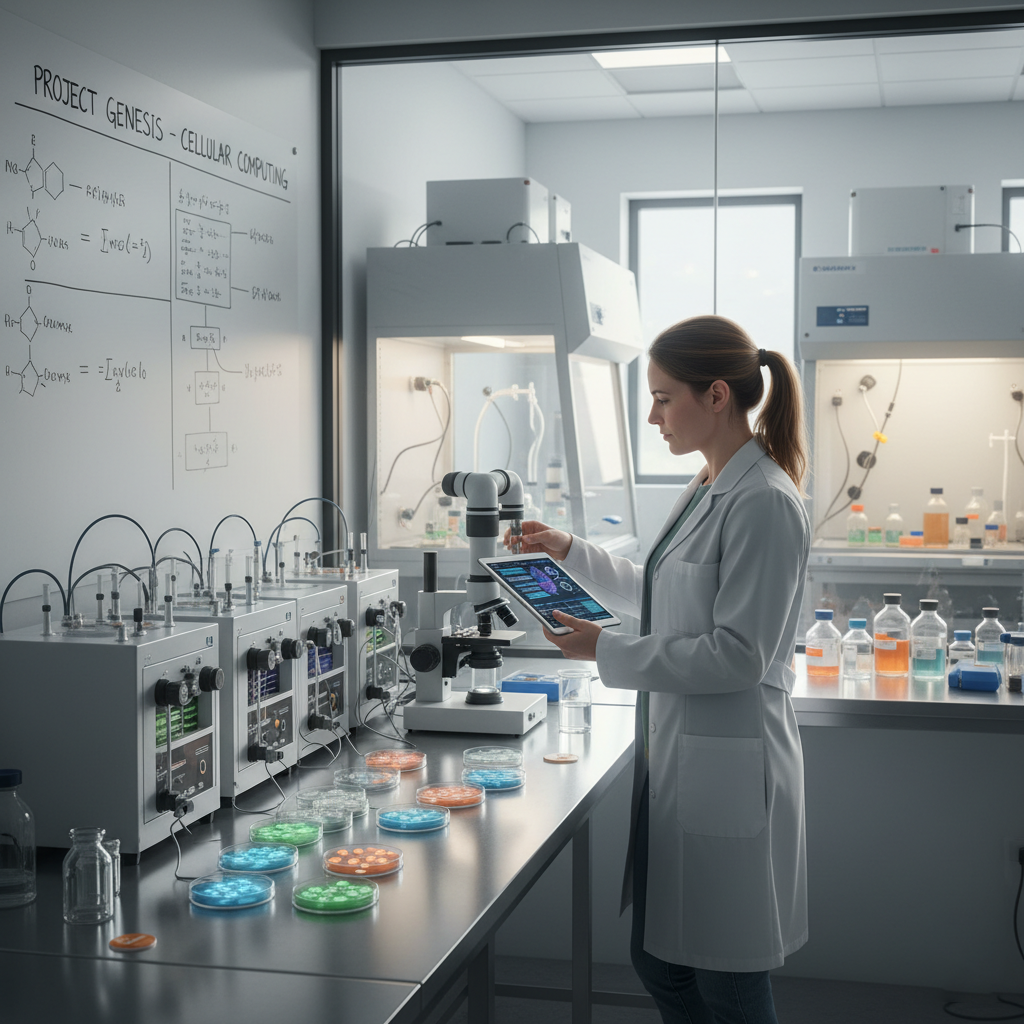
In the Bioengineering Era, the role of a Synthetic Biology Engineer emerges as a pivotal force in the intersection of biology and technology. These innovative professionals harness the principles of synthetic biology to design and construct new biological parts, devices, and systems, or to redesign existing, natural biological systems for useful purposes. As the world grapples with challenges such as climate change, food security, and health crises, Synthetic Biology Engineers are at the forefront, creating solutions that could revolutionize agriculture, medicine, and environmental sustainability. They work in laboratories equipped with cutting-edge biotechnological tools, utilizing CRISPR gene editing, bioinformatics, and advanced computational modeling to engineer organisms that can produce biofuels, pharmaceuticals, and even biodegradable materials. Their work not only pushes the boundaries of science but also raises profound questions about the ethical implications of manipulating life itself, making their role both exciting and complex.
Day in the Life of a Synthetic Biology Engineer
Morning: Research and Development
The day begins early in a state-of-the-art laboratory, where the Synthetic Biology Engineer reviews the latest research findings in synthetic biology. They analyze data from previous experiments, discussing results with their team during a morning briefing. The focus today is on developing a new strain of bacteria capable of breaking down plastic waste. After brainstorming potential genetic modifications, they set up experiments using CRISPR technology to edit the bacterial genome.
Midday: Collaboration and Innovation
As the day progresses, the engineer collaborates with interdisciplinary teams, including environmental scientists and bioethicists. They engage in discussions about the potential impacts of their work on ecosystems and human health. This collaborative environment fosters innovation, as ideas are exchanged and refined. They also attend a virtual conference, connecting with global experts to share insights and gather feedback on their projects.
Afternoon: Experimentation and Analysis
In the afternoon, the engineer returns to the lab to conduct hands-on experiments. Wearing protective gear, they culture bacteria and introduce the genetic modifications designed earlier. They meticulously document each step, ensuring that all data is recorded for future analysis. Afterward, they use bioinformatics software to analyze the results, looking for successful gene expression and desired traits in the modified organisms.
Evening: Reporting and Ethical Review
As the day winds down, the engineer prepares a report summarizing the day’s findings and progress. They also participate in an ethics review meeting, discussing the implications of their work on society and the environment. This critical reflection ensures that their innovations align with ethical standards and public safety. The day concludes with a sense of accomplishment, knowing that their work could lead to groundbreaking solutions for some of the world’s most pressing challenges.