
20th Century
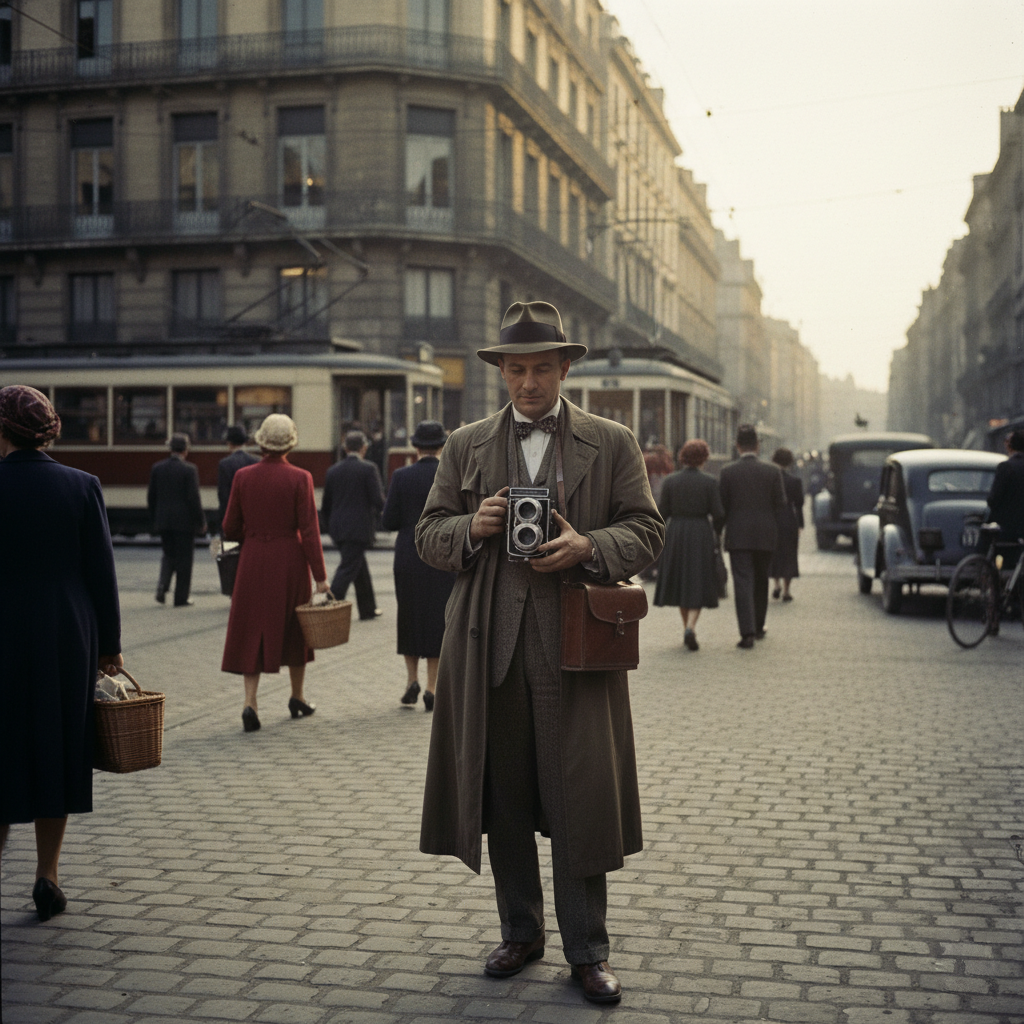
Street Photographer
An extinct profession from 20th Century that became obsolete due to technological advancement and societal change.
Media Gallery
Related Exhibits
Lighthouse Keeper
The role of a lighthouse keeper was vital to maritime safety, particularly during the 19th century when shipping traffic surged due to industrialization and global trade. Lighthouse keepers were responsible for maintaining the light and ensuring that it was visible to passing ships, guiding them safely through treacherous waters. This job required a deep understanding of navigation, meteorology, and mechanical systems, as keepers often had to troubleshoot and repair the light mechanisms, which could include oil lamps or later, electric lights. The keeper's duties extended beyond just the light; they also maintained the lighthouse itself, kept records of weather conditions, and sometimes assisted in rescue operations for distressed vessels. The isolation of many lighthouses meant that keepers often lived in remote locations, sometimes with their families, fostering a unique community around these beacons of safety.
Pony Express Rider
The Pony Express was a mail service that operated in the United States from April 1860 to October 1861, providing a vital link between the East and West coasts during a time of rapid expansion and communication needs. Riders, known as Pony Express Riders, were young, brave men who undertook the perilous task of delivering mail across the vast and often treacherous terrain of the American frontier. Each rider was responsible for a segment of the route, which spanned approximately 1,900 miles from St. Joseph, Missouri, to Sacramento, California. The service was renowned for its speed, with letters often delivered in just ten days, a remarkable feat for the time. Riders faced numerous challenges, including harsh weather conditions, rugged landscapes, and the threat of hostile encounters with Native American tribes or outlaws. They rode at a breakneck pace, often changing horses every 10 to 15 miles at designated relay stations, which were strategically placed along the route. The Pony Express was not just a job; it was a test of endurance, courage, and commitment to the mission of connecting a growing nation. Riders were often seen as heroes, embodying the spirit of adventure and the pioneering ethos of the American West.
Explore More Exhibits
Discover the full collection of past and future professions in The Jobs Museum.