
19th Century
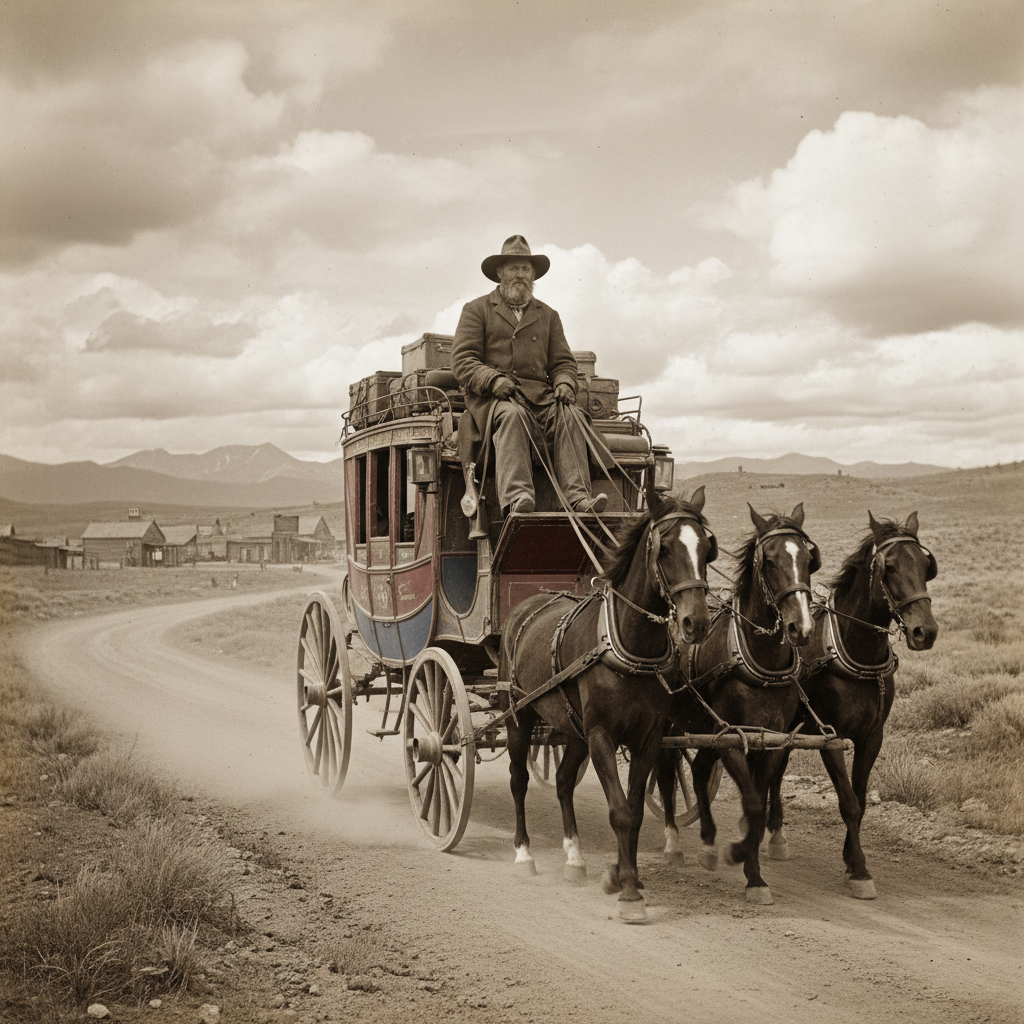
Stagecoach Driver
An extinct profession from 19th Century that became obsolete due to technological advancement and societal change.
Media Gallery
Related Exhibits
Phonograph Operator
The phonograph operator was a pivotal figure in the early days of recorded sound, a profession that emerged in the late 19th century with the invention of Thomas Edison’s phonograph in 1877. This role involved the operation of phonographs, which were early devices used to record and reproduce sound. Phonograph operators were responsible for managing the recording process, ensuring that sound was captured accurately onto wax cylinders or discs. They worked in recording studios, often collaborating with musicians, voice actors, and other performers to create audio recordings for entertainment, education, and commercial purposes. The job required a keen ear for sound quality and an understanding of the mechanical workings of the phonograph, as operators had to adjust the device to optimize recording conditions. As the industry evolved, phonograph operators also played a role in the distribution of recorded music, helping to create and manage catalogs of recordings for public consumption.
Towel Horse
The towel horse was a common fixture in Victorian households, serving as a practical solution for drying and airing out freshly laundered towels. This job involved the creation and maintenance of these wooden frames, which were designed to hold towels in a way that maximized air circulation and minimized mildew. Craftsmen known as towel horse makers would construct these items from sturdy wood, often incorporating decorative elements to enhance their aesthetic appeal. The towel horse was not merely a functional item; it was a symbol of domesticity and cleanliness in an era that placed great emphasis on hygiene and the proper management of household chores. In the bustling homes of the Victorian middle class, the towel horse was an essential accessory, often placed in bathrooms or near wash basins. It allowed families to dry their towels efficiently, reflecting the era's values of order and propriety. The towel horse was typically designed with multiple rungs or bars, allowing several towels to be hung at once, and was often collapsible for easy storage. As the Victorian Era progressed, the towel horse became a staple in many households, with variations in design reflecting the tastes and preferences of the time. Craftsmen took pride in their work, often handcrafting each piece with attention to detail, ensuring that the towel horse was both functional and visually appealing. However, as the 20th century approached, the advent of modern plumbing and the introduction of electric dryers began to change domestic practices. The need for towel horses diminished as households adopted new technologies that made drying towels faster and more efficient. The towel horse, once a common sight in homes, gradually faded into obscurity, becoming a relic of a bygone era.
Explore More Exhibits
Discover the full collection of past and future professions in The Jobs Museum.