
Victorian Era
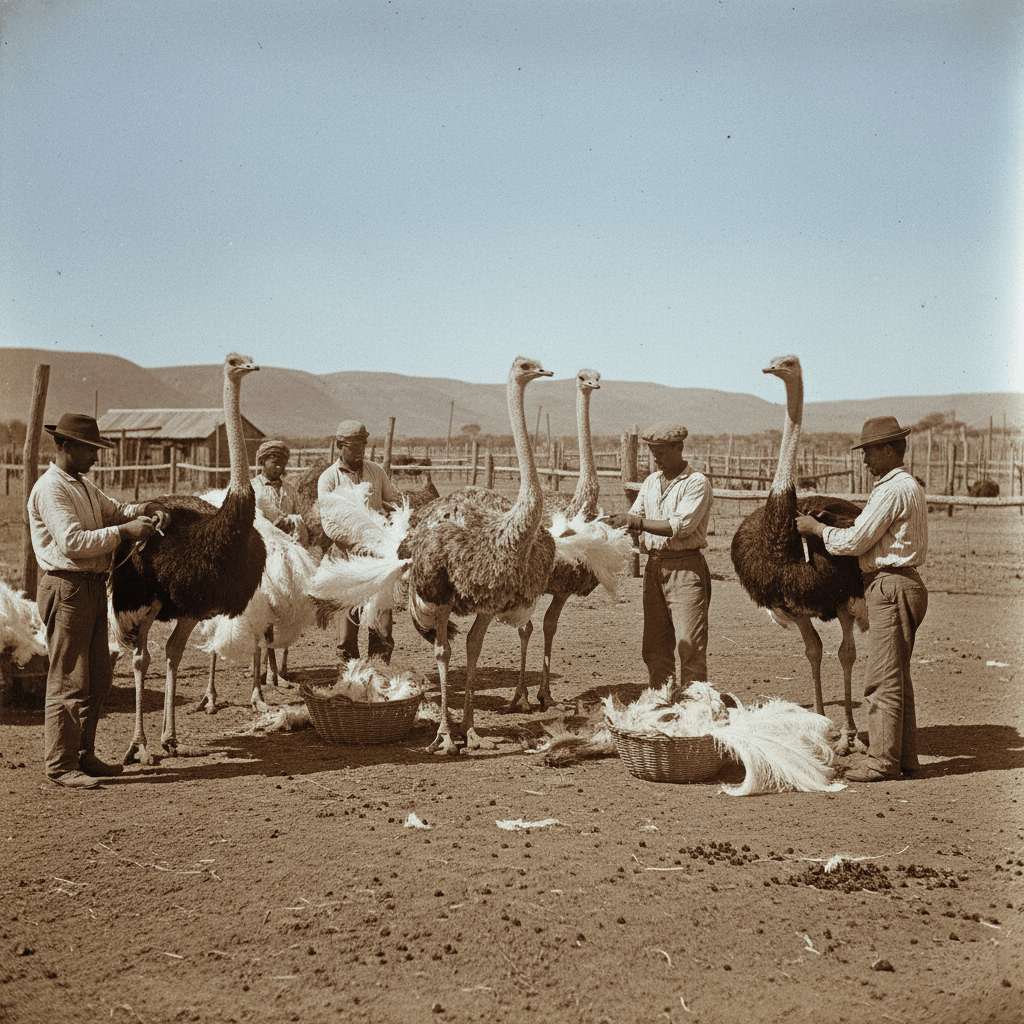
Ostrich Feather Plucker
An extinct profession from Victorian Era that became obsolete due to technological advancement and societal change.
Media Gallery
Related Exhibits
Leech Collector
In the Victorian Era, the leech collector played a crucial role in the burgeoning field of medicine. These individuals were tasked with harvesting leeches from freshwater bodies, primarily for use in bloodletting—a common medical practice of the time. Leeches were believed to cure a variety of ailments by drawing out 'bad blood,' and their demand surged as the medical community embraced this practice. Leech collectors would often wade into muddy waters, using nets and their bare hands to gather these slimy creatures, which were then sold to physicians and apothecaries. The job required not only physical endurance but also a keen understanding of the leeches' habitats and behaviors, as well as the ability to handle them without causing harm to themselves or the creatures. The leech collector's work was often conducted in remote, marshy areas, where they would spend hours in the water, sometimes in harsh weather conditions. The collectors would return home with buckets filled with leeches, which they would keep alive in water-filled containers until sold. The job was labor-intensive and often poorly paid, but it was essential in an era when medical practices relied heavily on the use of leeches for therapeutic purposes. As the medical field evolved and the understanding of human anatomy and disease progressed, the practice of bloodletting fell out of favor. By the late 19th century, with the advent of modern medicine and more effective treatments, the demand for leeches diminished significantly, leading to the decline of this once vital occupation.
Explore More Exhibits
Discover the full collection of past and future professions in The Jobs Museum.