
19th Century
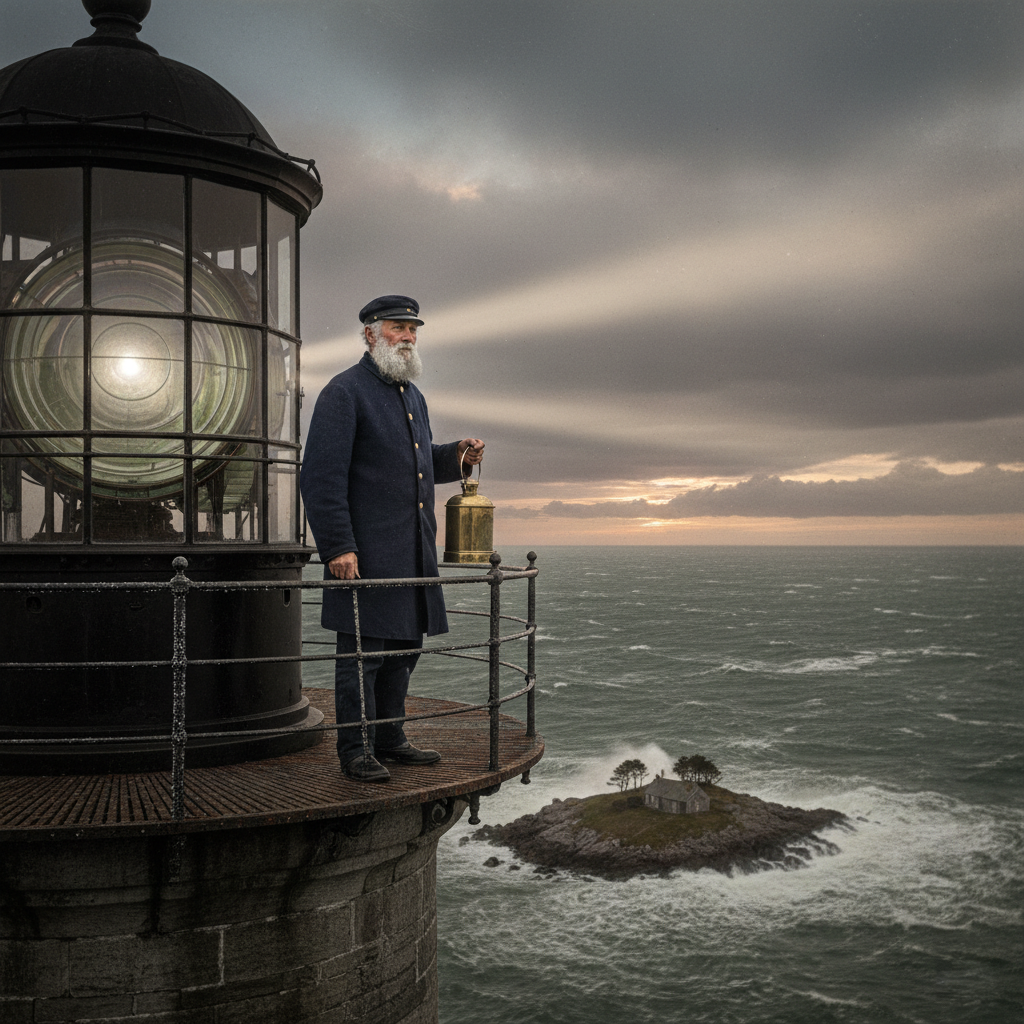
Lighthouse Keeper
An extinct profession from 19th Century that became obsolete due to technological advancement and societal change.
Media Gallery
Related Exhibits
Messenger
The role of a messenger was vital in the communication networks of ancient and medieval societies. These individuals were responsible for delivering messages, documents, and parcels across towns, cities, and even between countries. Often employed by merchants, government officials, or wealthy patrons, messengers played a crucial role in maintaining the flow of information. They navigated through various terrains, from bustling urban centers to remote rural areas, often relying on their knowledge of local geography and social networks to ensure timely delivery. The job required not only physical stamina but also a keen sense of direction and the ability to read and write, as many messengers were tasked with not just delivering but also composing messages on behalf of their employers. In times of war, messengers were particularly important, carrying orders and intelligence that could change the course of events. Their work was often perilous, as they faced the threat of bandits, harsh weather, and the challenges of navigating unfamiliar territories.
Pony Express Rider
The Pony Express was a mail service that operated in the United States from April 1860 to October 1861, providing a vital link between the East and West coasts during a time of rapid expansion and communication needs. Riders, known as Pony Express Riders, were young, brave men who undertook the perilous task of delivering mail across the vast and often treacherous terrain of the American frontier. Each rider was responsible for a segment of the route, which spanned approximately 1,900 miles from St. Joseph, Missouri, to Sacramento, California. The service was renowned for its speed, with letters often delivered in just ten days, a remarkable feat for the time. Riders faced numerous challenges, including harsh weather conditions, rugged landscapes, and the threat of hostile encounters with Native American tribes or outlaws. They rode at a breakneck pace, often changing horses every 10 to 15 miles at designated relay stations, which were strategically placed along the route. The Pony Express was not just a job; it was a test of endurance, courage, and commitment to the mission of connecting a growing nation. Riders were often seen as heroes, embodying the spirit of adventure and the pioneering ethos of the American West.
Explore More Exhibits
Discover the full collection of past and future professions in The Jobs Museum.