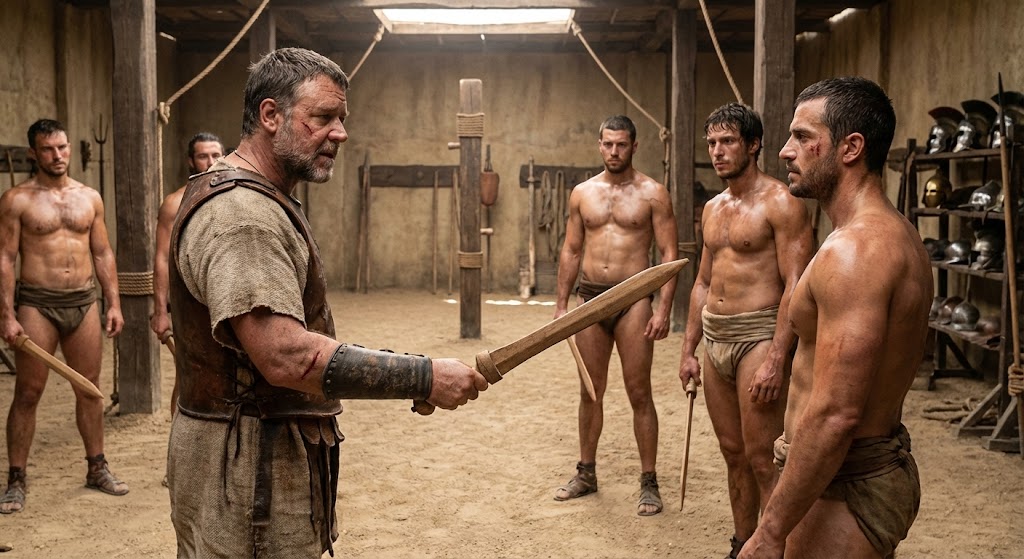
About the Lanista Profession
The lanista was a pivotal figure in the world of ancient Roman gladiatorial games, serving as a trainer and manager of gladiators. These individuals were responsible for the selection, training, and overall management of gladiators, who were often slaves or prisoners of war forced to fight in brutal spectacles for public entertainment. The lanista operated a ludi, or gladiatorial school, where they would oversee the rigorous training of their fighters, teaching them combat techniques, discipline, and the art of survival in the arena. The lanista's role was not only to prepare gladiators physically but also to cultivate their mental fortitude, as the psychological demands of combat were immense. They were often seen as both a mentor and a taskmaster, instilling a sense of loyalty and camaraderie among their fighters while also ensuring they were ready to face the deadly challenges of the arena. The lanista's influence extended beyond training; they were also involved in the business side of gladiatorial combat, negotiating contracts, managing finances, and sometimes even betting on the outcomes of fights. This multifaceted role made the lanista a significant player in the social and economic fabric of Roman entertainment culture.
Day in the Life of a Lanista
Dawn: Rise and Preparation
As the first light of dawn breaks over the city of Rome, the lanista rises early to prepare for the day ahead. The air is filled with the sounds of the bustling city, but within the walls of the ludi, a different atmosphere prevails. The lanista begins by inspecting the training grounds, ensuring that the equipment is in order and that the area is safe for the gladiators. This includes checking the wooden training dummies, weapons, and the sand-covered floor that absorbs the sweat and blood of countless battles.
Morning: Training Sessions
By mid-morning, the gladiators arrive, some still groggy from sleep, others eager to train. The lanista gathers them for a morning briefing, outlining the day’s training regimen. The training is grueling, focusing on various combat techniques, including swordplay, grappling, and the use of different weapons. The lanista demonstrates techniques, correcting stances and encouraging fighters to push their limits. The sound of clashing swords and the shouts of the lanista echo through the training grounds as they instill discipline and strategy in their fighters.
Afternoon: Strategy and Conditioning
After a hearty midday meal, the lanista shifts focus to strategy. They gather the gladiators to discuss upcoming matches, analyzing opponents and devising tactics. This is a crucial part of the lanista's role, as understanding the strengths and weaknesses of both their own fighters and their adversaries can mean the difference between life and death in the arena. Conditioning exercises follow, with the lanista overseeing rigorous physical training to build endurance and strength.
Evening: Business and Negotiations
As the sun sets, the lanista transitions from trainer to businessman. They meet with potential sponsors, wealthy patrons, and other lanistae to negotiate contracts for upcoming fights. The lanista must be shrewd, understanding the financial aspects of the gladiatorial games, including betting odds and the value of their fighters. This evening work is crucial for maintaining the ludi’s reputation and ensuring the financial stability of their operations.
Night: Reflection and Planning
As night falls, the lanista reflects on the day’s training and the performance of their gladiators. They may spend time writing in a ledger, tracking the progress of each fighter, and planning future training sessions. The lanista’s role is demanding, requiring not only physical strength and combat knowledge but also business acumen and leadership skills. As they prepare for bed, the lanista knows that tomorrow will bring new challenges and the ever-present risk of loss in the arena.