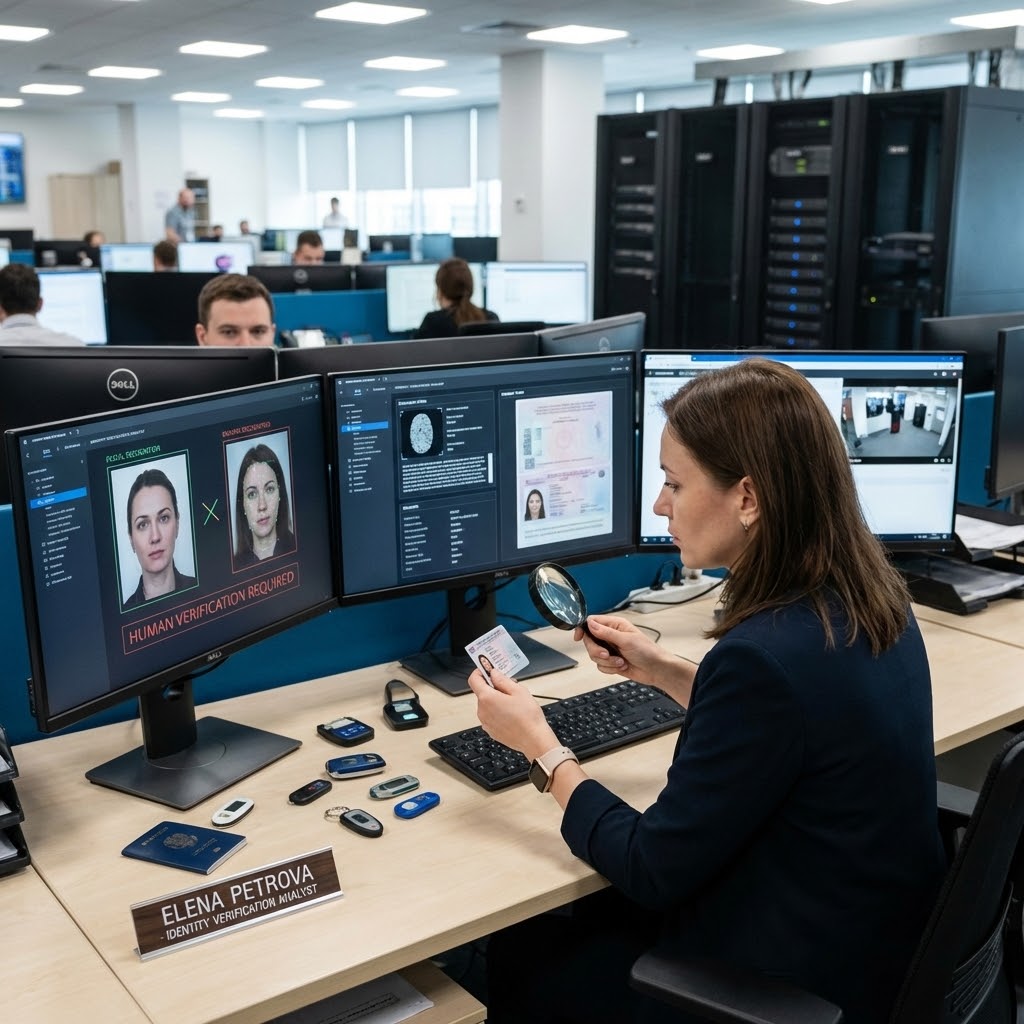
About the Identity Verification Analyst Career
In an increasingly digital world, the role of the Identity Verification Analyst emerges as a crucial safeguard against identity fraud and cybercrime. This position is pivotal in ensuring that individuals and organizations can trust the identities of those they interact with online. As technology evolves, so too do the methods of verification, requiring analysts to stay ahead of the curve in understanding both human behavior and technological advancements. The Identity Verification Analyst utilizes advanced AI algorithms, biometric data, and behavioral analytics to assess the authenticity of identities presented in various digital transactions. They work closely with cybersecurity teams, legal advisors, and compliance officers to develop robust verification protocols that protect sensitive information while ensuring a seamless user experience. This role not only demands technical expertise but also a deep understanding of the ethical implications surrounding privacy and data security, making it a vital component of the digital economy.
Day in the Life of an Identity Verification Analyst
Morning: Data Review and Analysis
The day begins early, with the Identity Verification Analyst logging into their secure workstation. The first task is to review the overnight reports generated by AI systems that flag potential identity discrepancies. With a cup of coffee in hand, they analyze patterns in the flagged data, looking for anomalies that could indicate fraudulent activity. This involves cross-referencing biometric data, such as facial recognition and fingerprint scans, with existing databases to verify identities.
Mid-Morning: Collaboration with Tech Teams
By mid-morning, the analyst joins a virtual meeting with the tech team to discuss recent updates to the identity verification software. They provide feedback on the AI’s performance, suggesting improvements based on their analysis of user interactions. This collaborative effort ensures that the verification process remains efficient and effective, adapting to new threats as they arise.
Afternoon: Client Consultations
After lunch, the analyst meets with clients—ranging from financial institutions to e-commerce platforms—to discuss their identity verification needs. They present tailored solutions that align with the clients’ risk profiles and regulatory requirements. This part of the job requires not only technical knowledge but also strong communication skills to explain complex concepts in an accessible manner.
Late Afternoon: Ethical Review and Compliance Checks
As the day winds down, the analyst dedicates time to reviewing the ethical implications of their work. They assess compliance with data protection regulations, ensuring that all verification processes respect user privacy and consent. This involves staying updated on legal changes and participating in training sessions on ethical data use.
Evening: Continuous Learning
Before logging off, the analyst spends some time engaging in professional development. They might attend a webinar on the latest trends in biometric technology or read up on emerging threats in identity fraud. This commitment to continuous learning is essential in a field that evolves rapidly, driven by technological advancements and shifting societal norms.