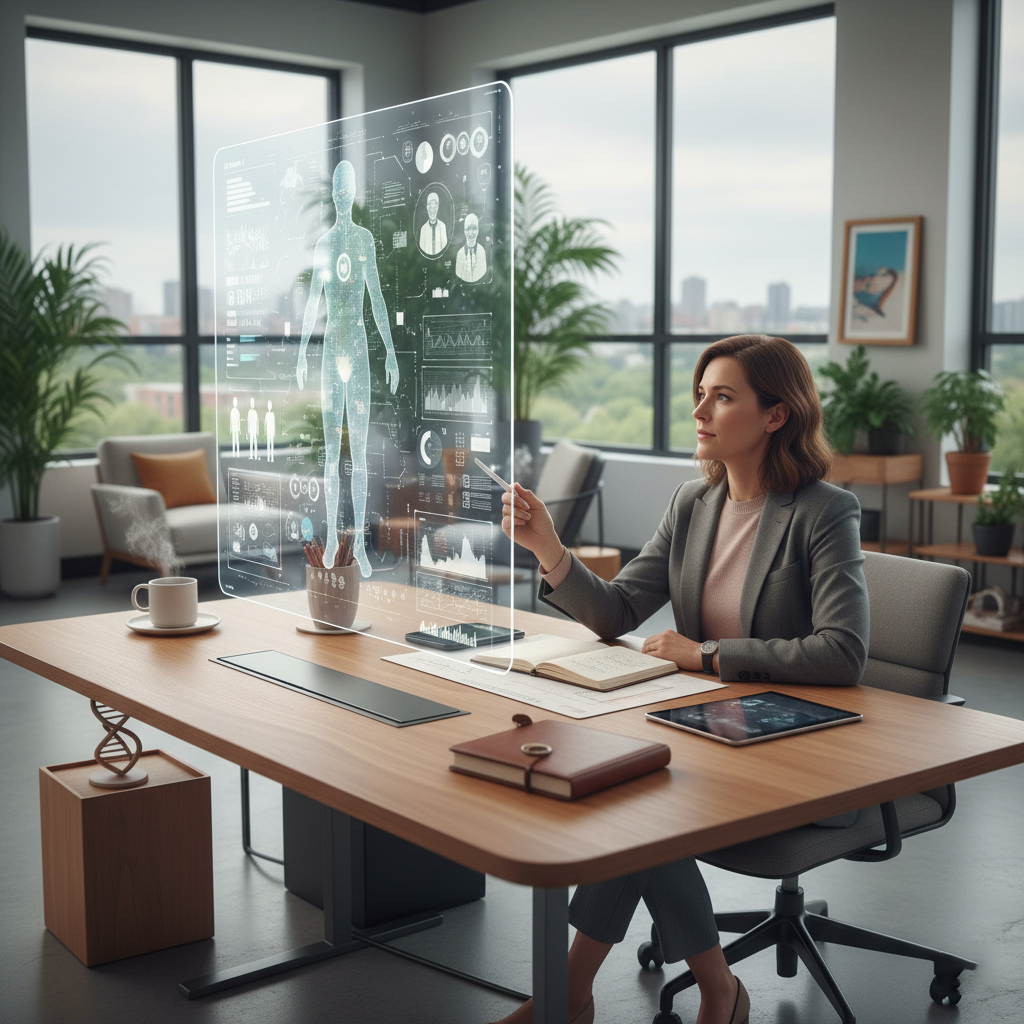
About the Digital Twin Architect Career
In the not-so-distant future, the role of a Digital Twin Architect emerges as a pivotal profession at the intersection of technology, design, and data analytics. As industries increasingly adopt digital twin technology—virtual replicas of physical entities—these architects will be responsible for creating, managing, and optimizing these digital counterparts. From smart cities to personalized healthcare, the Digital Twin Architect will harness vast amounts of data to simulate, predict, and enhance real-world performance. This role will not only require technical expertise but also a deep understanding of the systems being modeled, ensuring that the digital twins serve their intended purpose effectively and ethically.
Imagine a world where every building, vehicle, and even human organ has a digital twin, continuously updated with real-time data. The Digital Twin Architect will design these intricate models, ensuring they are accurate, functional, and capable of providing insights that drive innovation and efficiency. As cities become smarter and industries more automated, the demand for skilled architects who can bridge the gap between the physical and digital realms will soar, making this a vital and dynamic career in the AI Revolution.
Day in the Life of a Digital Twin Architect
Morning: Data Analysis and Design
The day begins early, with the Digital Twin Architect sipping coffee while reviewing the latest data feeds from various sensors embedded in the physical assets they oversee. This could range from monitoring the structural integrity of a skyscraper to analyzing the performance of a manufacturing line. Armed with advanced analytics tools and AI algorithms, they sift through the data to identify patterns and anomalies, which will inform their design decisions for the digital twins.
Mid-Morning: Collaborative Workshops
By mid-morning, the architect joins a virtual workshop with engineers, urban planners, and data scientists. Together, they brainstorm how to enhance the digital twin of a new urban development project. The architect presents their initial designs, showcasing how the digital twin can simulate traffic flow, energy consumption, and even social interactions within the space. Feedback from the team is crucial, as it helps refine the model to better serve the community's needs.
Afternoon: Simulation and Testing
After lunch, the architect dives into simulation mode. Using sophisticated software, they run various scenarios to test how the digital twin responds to changes in the environment, such as increased traffic or extreme weather conditions. This testing phase is critical, as it allows them to predict potential issues and optimize the design before any physical construction begins.
Late Afternoon: Client Presentations
As the day winds down, the architect prepares for a presentation to stakeholders, showcasing the digital twin's capabilities. They highlight how the model can save costs, improve safety, and enhance user experience. The architect must communicate complex technical details in an accessible manner, ensuring that all stakeholders understand the value of the digital twin.
Evening: Continuous Learning
After a long day, the architect dedicates time to professional development. They explore the latest advancements in AI, machine learning, and IoT technologies, ensuring they remain at the forefront of this rapidly evolving field. Networking with other professionals in online forums and attending virtual conferences is also part of their routine, as collaboration and knowledge-sharing are key to success in this role.