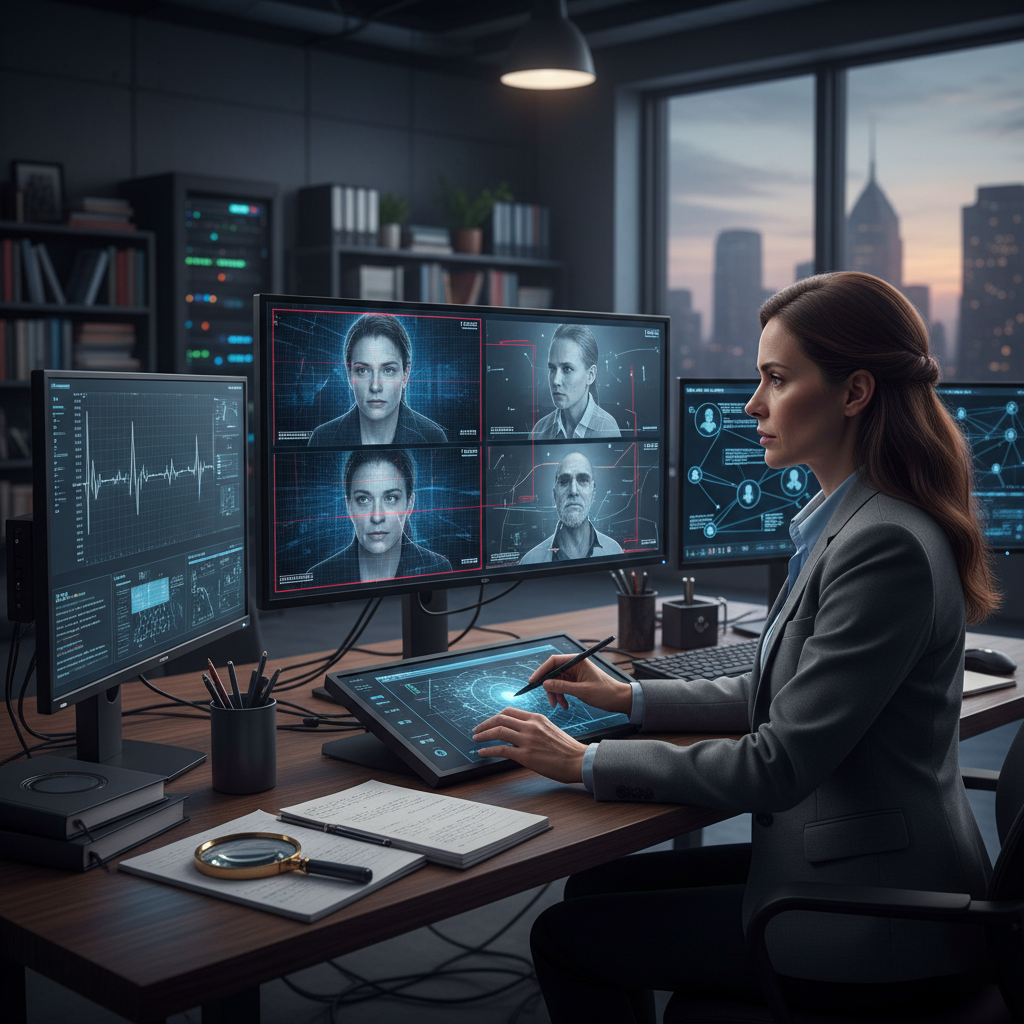
About the Deepfake Investigator Career
In an era where artificial intelligence has advanced to the point of creating hyper-realistic digital forgeries, the role of the Deepfake Investigator emerges as a crucial guardian of truth. These specialists are tasked with identifying, analyzing, and mitigating the impact of deepfake technology, which can manipulate video and audio content to create convincing yet false narratives. As misinformation proliferates, the Deepfake Investigator stands at the forefront of digital forensics, employing cutting-edge tools and techniques to discern reality from fabrication. Their work is not only technical but also deeply intertwined with the ethical implications of trust, privacy, and the very nature of truth in the digital age.
Day in the Life of a Deepfake Investigator
Morning: Analyzing New Cases
The day begins early, with the investigator logging into a secure digital platform that aggregates reports of suspected deepfake content from various sources, including social media, news outlets, and private organizations. Each case is meticulously reviewed, with the investigator employing advanced AI algorithms to analyze the metadata and visual inconsistencies in the videos. They take notes on anomalies such as unnatural facial movements or mismatched audio, preparing for a deeper forensic analysis later in the day.
Midday: Collaboration and Strategy Meetings
By mid-morning, the investigator joins a virtual meeting with a team of digital forensics experts, legal advisors, and cybersecurity professionals. Together, they discuss recent trends in deepfake technology, share insights on emerging threats, and strategize on how to educate the public and organizations about the risks associated with deepfakes. This collaborative environment fosters a multidisciplinary approach to tackling the challenges posed by misinformation.
Afternoon: Field Investigations and Reporting
In the afternoon, the investigator may head out to meet with clients or stakeholders who have been affected by deepfake incidents. This could involve gathering evidence, conducting interviews, and providing guidance on how to respond to the misinformation. Back at the office, they compile detailed reports that outline their findings, including recommendations for legal action or public awareness campaigns.
Evening: Public Awareness and Education
As the day winds down, the investigator dedicates time to creating educational content aimed at raising awareness about deepfakes. This could involve writing articles, producing video explainers, or participating in webinars. They understand that prevention is key, and empowering the public with knowledge is a vital part of their role.