
Pre-Industrial Era
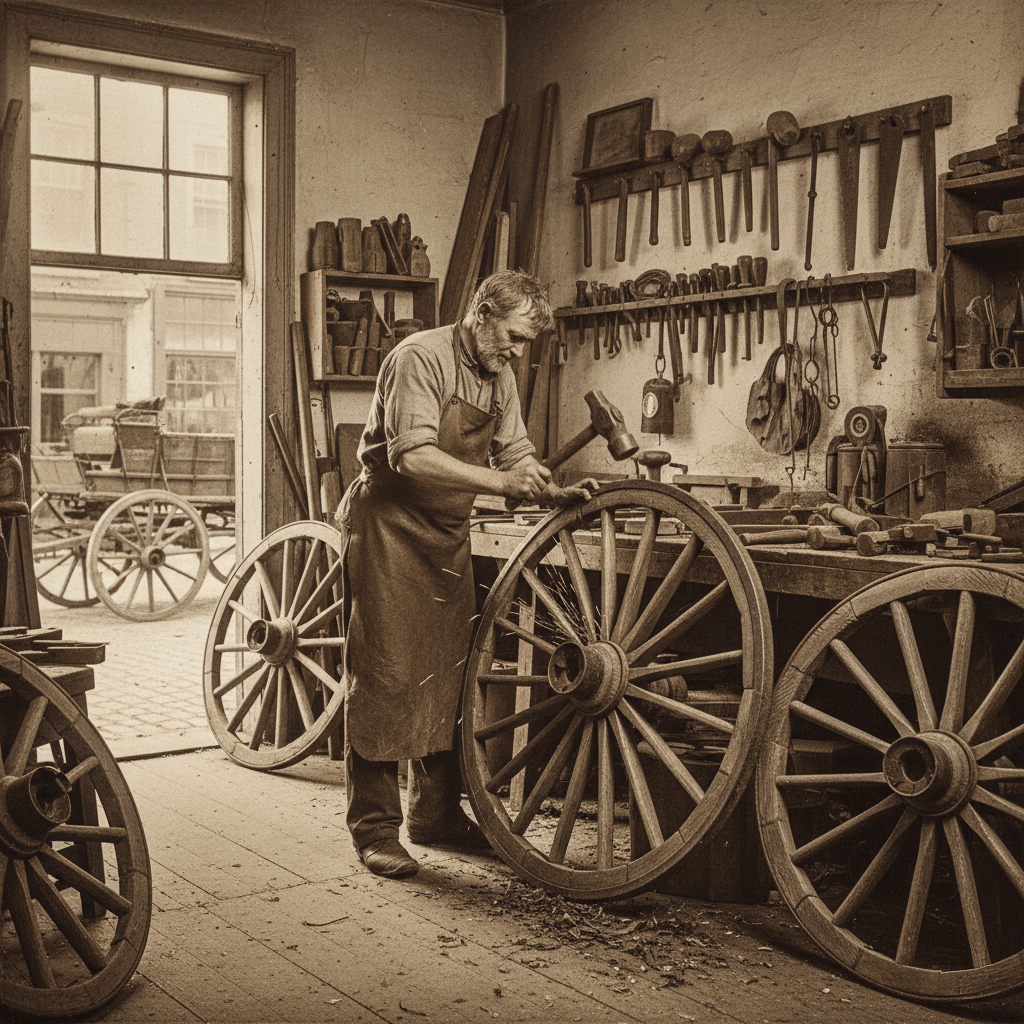
Wainwright
An extinct profession from Pre-Industrial Era that became obsolete due to technological advancement and societal change.
Media Gallery
Related Exhibits
Gas Station Attendant
The role of a gas station attendant was a vital part of the American landscape from the mid-20th century until the late 1990s. These attendants were responsible for providing fuel to vehicles, but their duties extended far beyond simply pumping gas. They were the friendly faces that greeted customers, often engaging in conversation while they filled tanks, checked oil levels, and cleaned windshields. The gas station was not just a place to refuel; it was a community hub where people gathered to share news and stories. Attendants were also tasked with monitoring fuel levels in the tanks, ensuring that the station was stocked, and sometimes even performing minor vehicle maintenance, such as checking tire pressure or replacing wiper blades. The job required a blend of customer service skills and mechanical knowledge, as attendants needed to be able to answer questions about fuel types and vehicle care. In the post-war economic boom, the rise of the automobile culture in the United States led to an explosion of gas stations, and with it, the demand for attendants. These workers played a crucial role in the burgeoning car culture, providing not just fuel, but also a sense of community and service. However, as self-service gas stations began to emerge in the 1970s, the role of the gas station attendant started to decline. By the 1990s, many gas stations had transitioned to fully automated systems, where customers could pump their own gas without the need for an attendant, leading to the eventual extinction of this once-common occupation.
Explore More Exhibits
Discover the full collection of past and future professions in The Jobs Museum.