
Victorian Era
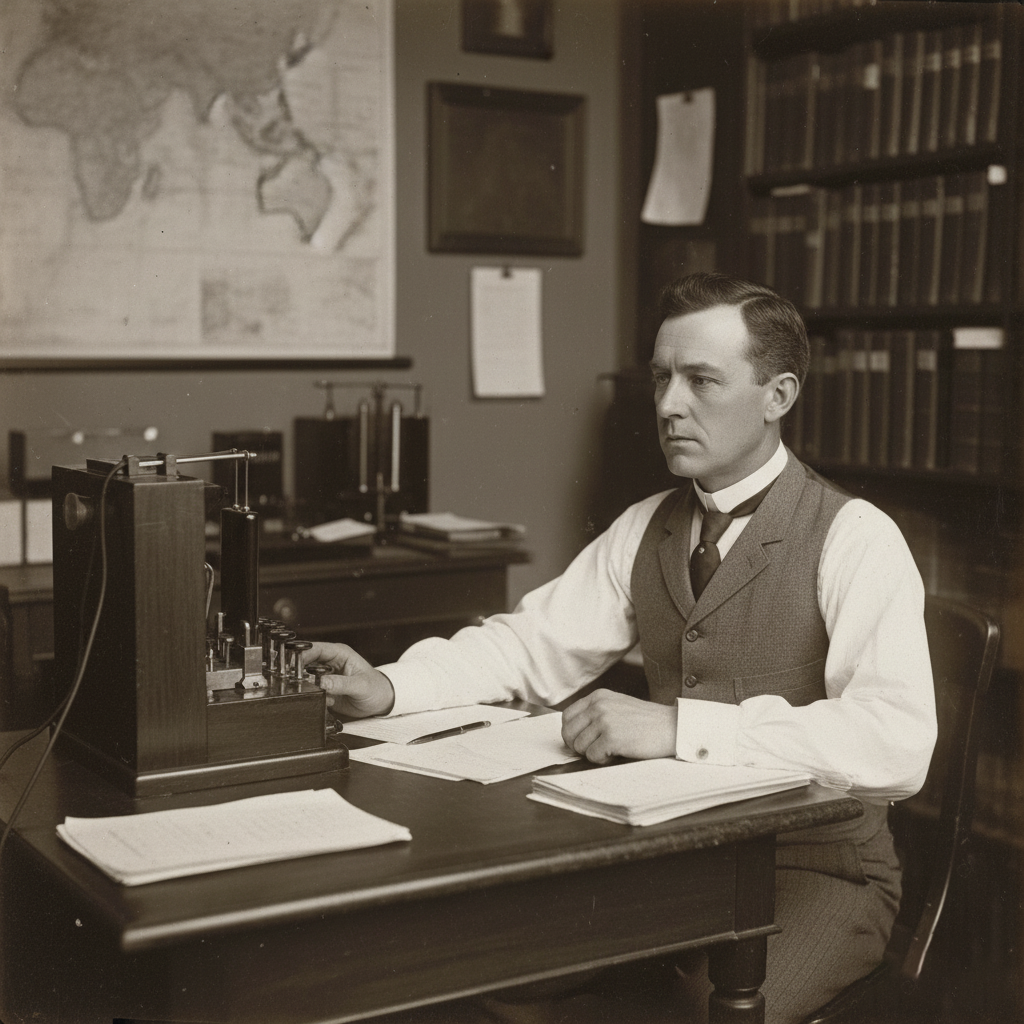
Telegraph Operator
An extinct profession from Victorian Era that became obsolete due to technological advancement and societal change.
Media Gallery
Related Exhibits
Wainwright
The wainwright was a skilled craftsman responsible for the construction and repair of wagons and carts, essential vehicles for transportation before the advent of motorized vehicles. This occupation flourished in rural and urban settings, where the demand for sturdy, reliable transport was paramount for trade, agriculture, and daily life. Wainwrights utilized a variety of materials, primarily wood and iron, to create vehicles that could withstand the rigors of travel across uneven terrain. Their work was not only functional but also reflected the artistry of craftsmanship, with many wainwrights taking pride in the aesthetic details of their creations, such as decorative carvings and paintwork. The role of the wainwright was crucial in supporting the economy, as they provided the means for farmers to transport goods to market and for merchants to deliver products to consumers.
Haruspex
The Haruspex was a priestly figure in ancient Roman religion, renowned for their unique role in divination. This sacred profession involved interpreting the will of the gods through the examination of animal entrails, particularly the liver, a practice known as extispicy. The Haruspex would conduct rituals, often in the presence of public officials or military leaders, to seek divine guidance before significant events such as battles, elections, or the founding of cities. The entrails were believed to reveal omens, and the Haruspex would analyze their color, texture, and any anomalies to provide insights into the future. This role was steeped in tradition and required a deep understanding of religious texts, rituals, and the symbolic meanings attributed to various organs. The Haruspex was not merely a fortune-teller; they were a respected authority in matters of state and religion, often consulted in times of crisis.
Explore More Exhibits
Discover the full collection of past and future professions in The Jobs Museum.