About the Scrivener Profession
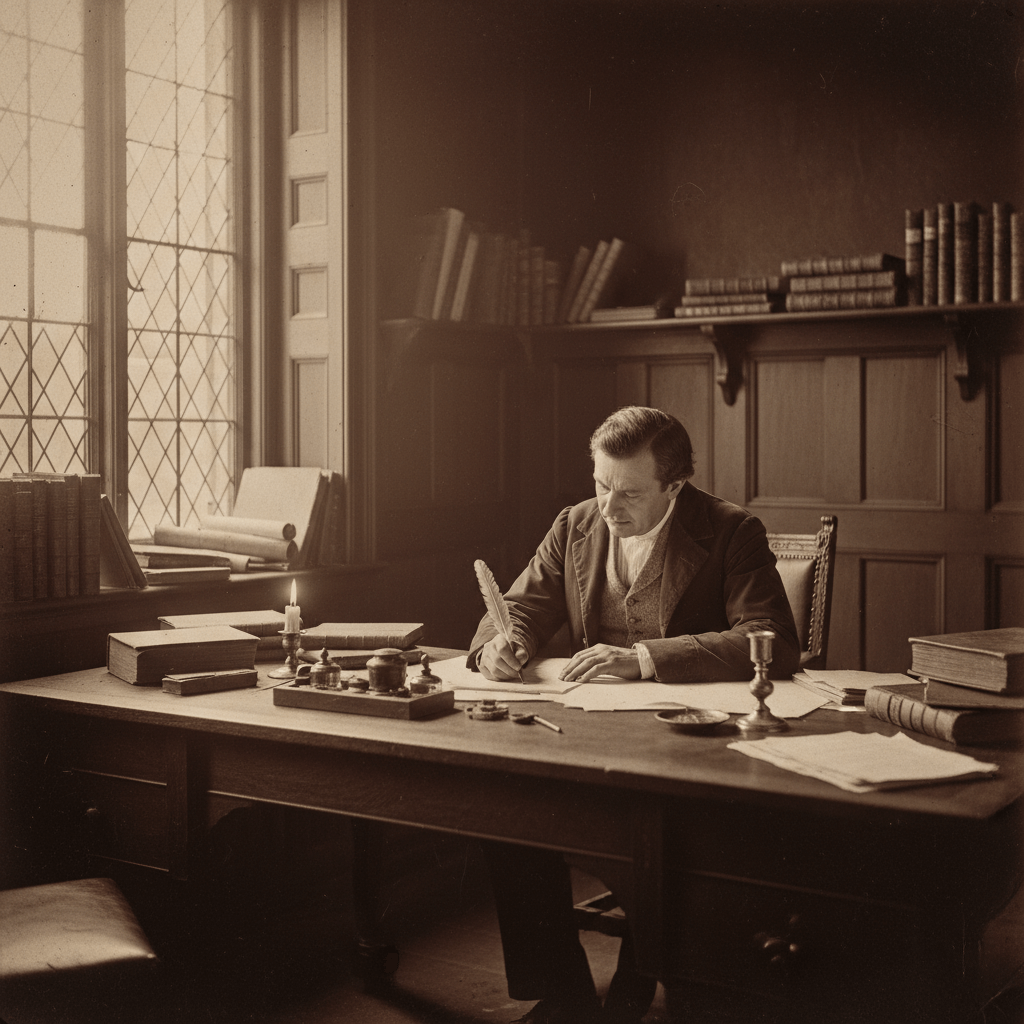
The scrivener was a vital figure in the medieval and early modern periods, serving as a professional scribe who specialized in writing documents by hand. Often employed by merchants, nobility, and the church, scriveners were responsible for drafting legal documents, contracts, letters, and other important texts. Their work was essential in an era when literacy was limited to a small segment of the population, and the written word held significant power. Scriveners were not only skilled in penmanship but also had a deep understanding of legal terminology and the nuances of language, making them indispensable in the administration of both public and private affairs. They often worked in scriptoriums or their own workshops, surrounded by parchment, ink, and quills, meticulously crafting each document with precision and care. The role of the scrivener was not merely to transcribe; they often provided advice on legal matters and helped clients navigate the complexities of written agreements, thus acting as both a writer and a consultant.
Day in the Life of a Scrivener
Morning: The Start of the Day
As dawn breaks, the scrivener rises early, the soft light filtering through the window illuminating the stacks of parchment and ink pots that clutter the workspace. After a modest breakfast, they prepare their tools: a sharpened quill, a pot of black ink, and a fresh sheet of parchment. The first task of the day is to review the documents that need to be completed, often a mix of contracts, letters, and legal agreements. The scrivener meticulously organizes their workspace, ensuring that everything is in order for a productive day.
Mid-Morning: Drafting Documents
By mid-morning, the scrivener is deep in concentration, the rhythmic scratching of the quill against parchment filling the air. They begin drafting a contract for a local merchant, carefully choosing words that reflect the terms of the agreement. Each letter is formed with precision, as any mistake could lead to misunderstandings or legal disputes. The scrivener often pauses to consult legal texts or previous documents to ensure accuracy and adherence to customary practices.
Afternoon: Client Consultations
After a hearty lunch, the scrivener meets with clients who have come to seek their expertise. This could involve discussing the details of a will, drafting a letter to a distant relative, or advising on the legal implications of a business deal. The scrivener listens attentively, taking notes and asking clarifying questions to ensure that the final document meets the client’s needs. Their role as a trusted advisor is as crucial as their writing skills.
Late Afternoon: Finalizing Documents
As the day winds down, the scrivener returns to their desk to finalize the documents drafted earlier. They carefully proofread each line, ensuring that the text is free of errors and that the formatting is correct. Once satisfied, they may seal the documents with wax, imprinting them with a personal or official seal, signifying authenticity. The scrivener then organizes the completed documents for delivery, often relying on a messenger to transport them to clients or local authorities.
Evening: Reflection and Preparation
As the sun sets, the scrivener reflects on the day’s work, perhaps jotting down notes for tomorrow’s tasks. They clean their tools, ensuring that the quills are stored properly and the ink pots are sealed. With a sense of accomplishment, they close the workshop for the night, ready to repeat the cycle again tomorrow.